Reproduction and Child Health
Improving Maternal and Child Health Since 2001
SEEDS has been actively involved in health and sanitation awareness initiatives since the early 2000s, recognizing that preventive healthcare and hygienic practices are essential for improving the quality of life of rural and marginalized communities. Through continuous engagement at the village level, worked to reduce health risks by promoting awareness, early care, and behavioral change.
Maternal Health Awareness Programmes (2001 onwards)
From 2001 onwards, SEEDS has conducted regular health awareness meetings in its service
areas to educate women on safe motherhood practices. These programmes focus on antenatal
and postnatal care, maternal nutrition, institutional delivery, and identification of high-risk
pregnancies. Women are also informed about the importance of timely medical care to reduce
maternal health complications.
Child Health and Nutrition Education (Early 2000s onwards)
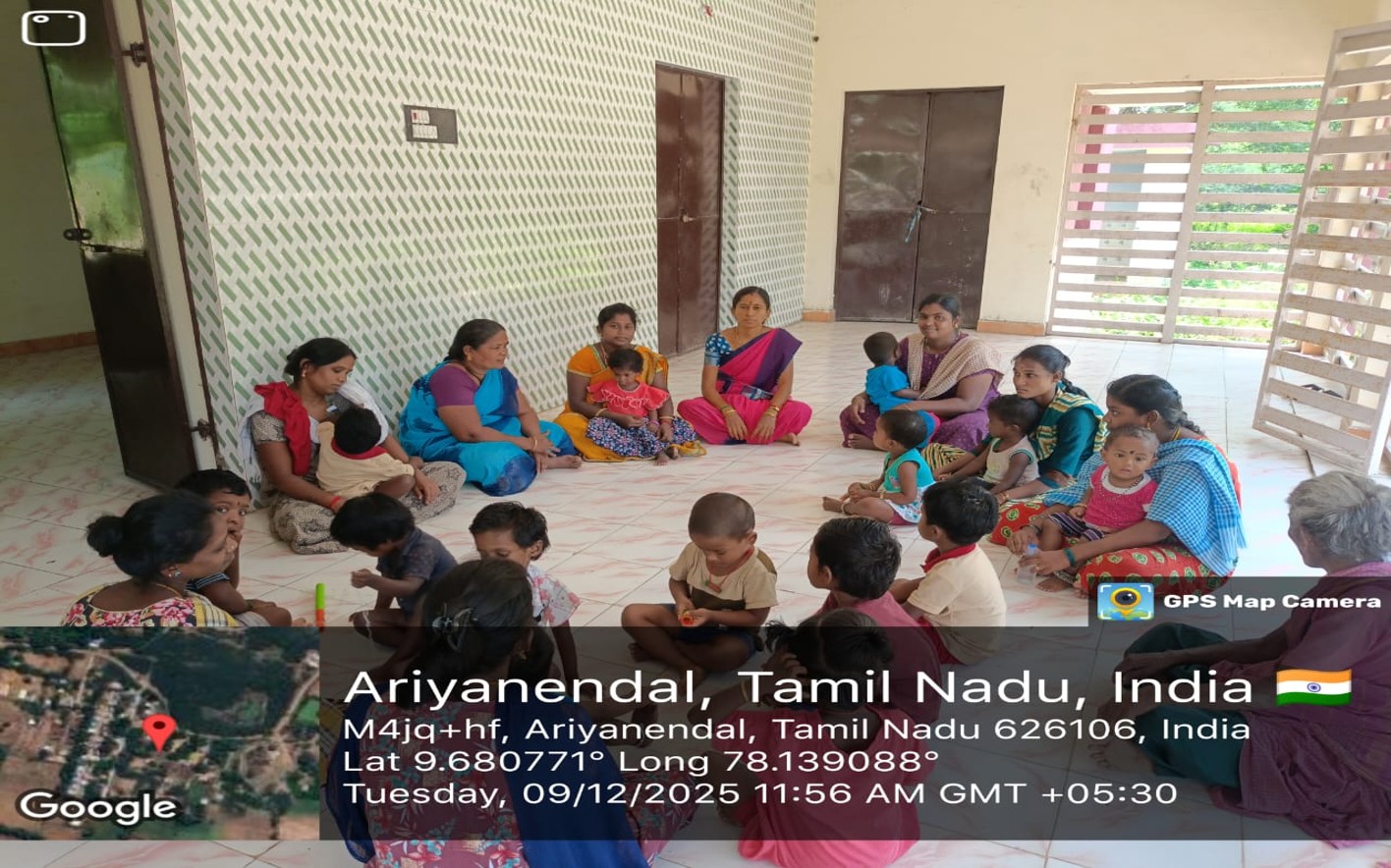
Since the early 2000s, SEEDS has promoted child health and nutrition awareness among
mothers and caregivers. The programme emphasizes immunization, exclusive breastfeeding,
complementary feeding, growth monitoring, and prevention of common childhood illnesses.
These interventions aim to improve child survival, growth, and overall well-being.
Reproductive Health and Family Planning Awareness (2001 onwards)
SEEDS has been creating awareness on reproductive health and family planning since 2001,
especially among women from economically weaker sections. The sessions cover
reproductive rights, spacing methods, contraceptive options, prevention of reproductive tract
infections, and responsible parenthood. These initiatives help families make informed
decisions and support women’s health and autonomy.
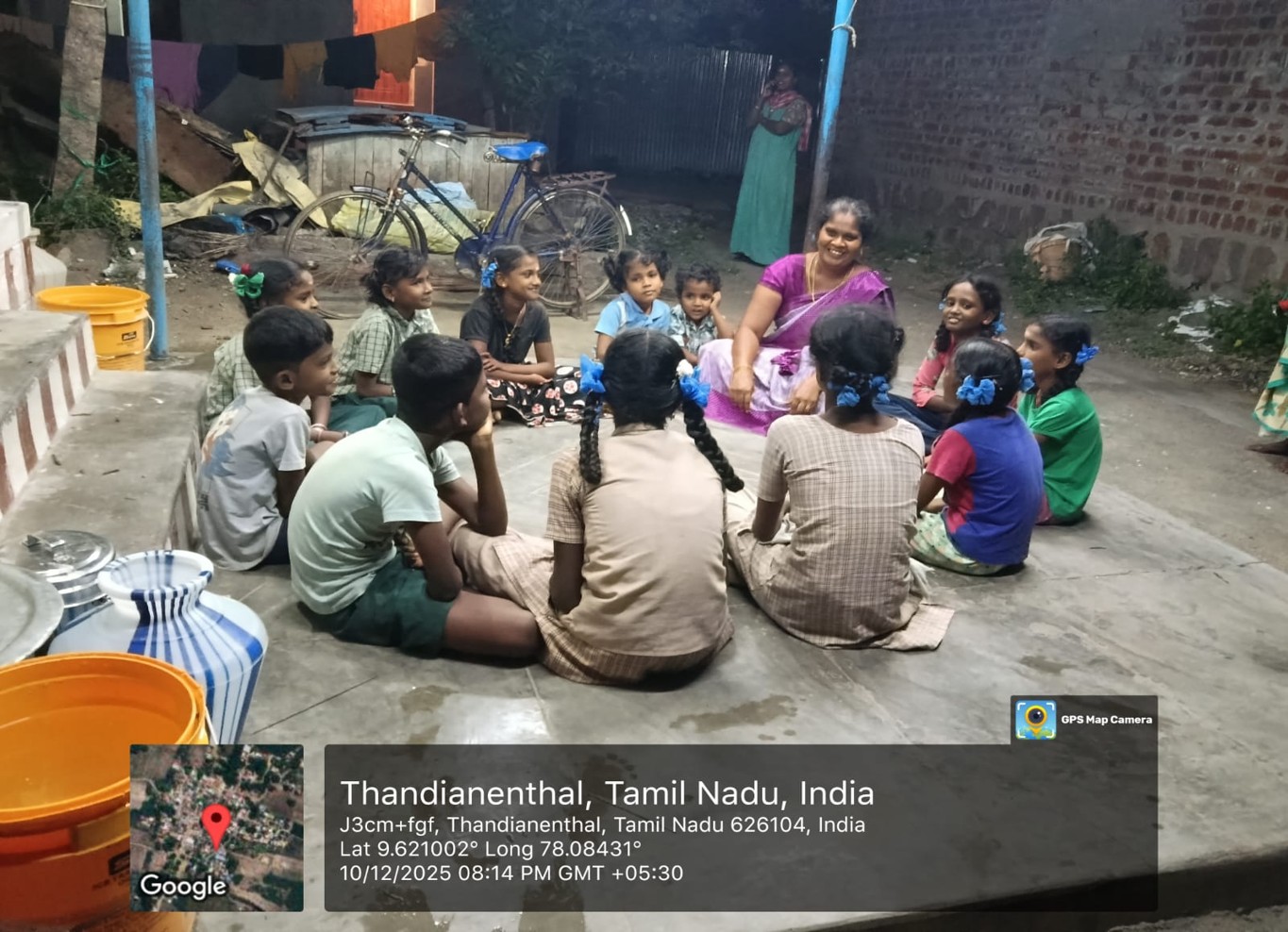
Adolescent Girls’ Health Education (Mid-2000s onwards)
From the mid-2000s, SEEDS expanded its RCH focus to include adolescent girls. Awareness
programmes address menstrual hygiene, nutrition, physical and emotional changes during
adolescence, and personal health management. These sessions aim to build confidence,
improve self-care practices, and prevent future reproductive health issues.
Health Camps and Referral Support (2001 onwards)
As part of its RCH initiatives, SEEDS has organized health camps and facilitated medical
referrals since 2001, in collaboration with government health departments and medical
institutions. These camps enable early identification of maternal and child health issues and
ensure access to appropriate healthcare services for vulnerable families.
Linkages with Government Health Services (2000s onwards)
Throughout the 2000s and beyond, SEEDS has supported women and children in accessing government health schemes and services through Primary Health Centres, Anganwadi centres, and public health departments. This collaboration strengthens grassroots health systems and improves service utilization.
Community Participation and Sustainability
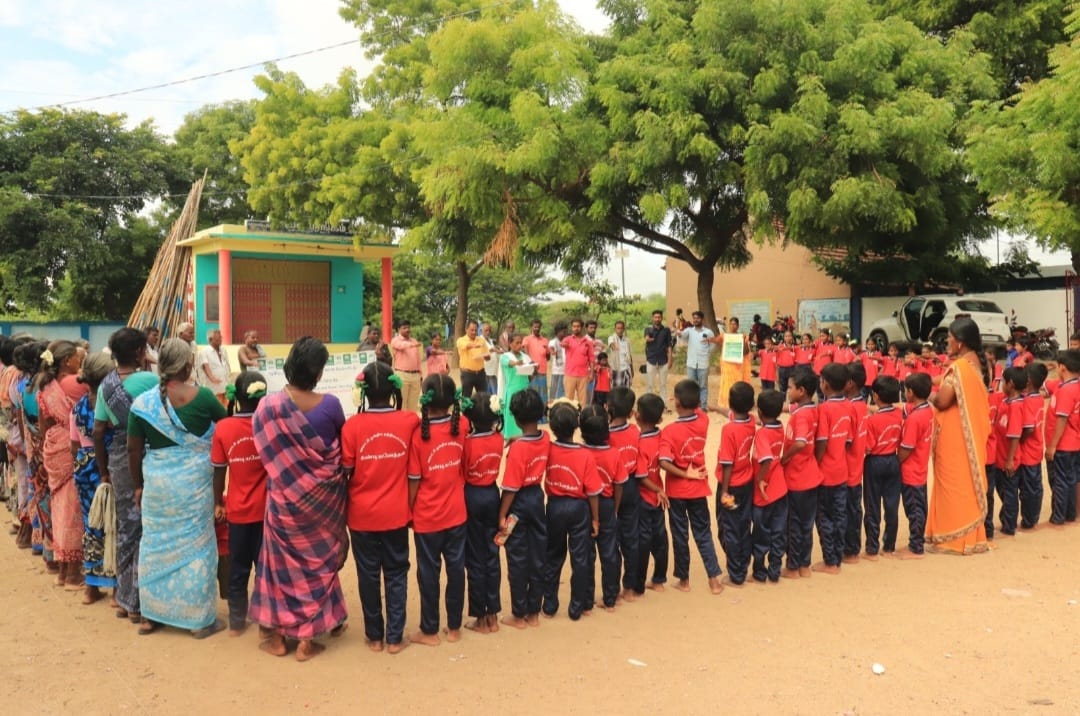
Since the inception of the RCH programme, SEEDS has emphasized community participation
through women’s groups, Self Help Groups, and village volunteers. This participatory
approach ensures continuity of healthy practices even after programme activities are
completed.
Impact (2001 to Present)
Through sustained efforts from 2001 to the present, SEEDS has contributed to increased
awareness of reproductive and child health, improved maternal care practices, better child
nutrition, and enhanced access to health services in rural communities. SEEDS continues its
commitment to building healthier families and stronger communities through focused RCH
interventions.