Non Pesticide Management
The Non-Pesticidal Management (NPM) Project (2019–2022) promoted safe, sustainable and pesticide-free farming while improving the market readiness and incomes of smallholder farmers. Anchored by SEEDS and implemented through the NPM Network, the project was supported by the Bharat Rural Livelihoods Foundation (BRLF).
The initiative worked with small and marginal farmers, women farmers and tribal communities in some of the most vulnerable regions of Odisha, Chhattisgarh and Madhya Pradesh, aiming to make NPM not only an ecological choice, but a viable and rewarding livelihood option.
Approach to pesticide free farming
Non-Pesticidal Management is an ecological farming approach that eliminates synthetic chemical pesticides. It is based on the understanding that pest problems arise when the natural balance of the crop ecosystem is disturbed.
NPM restores this balance by:
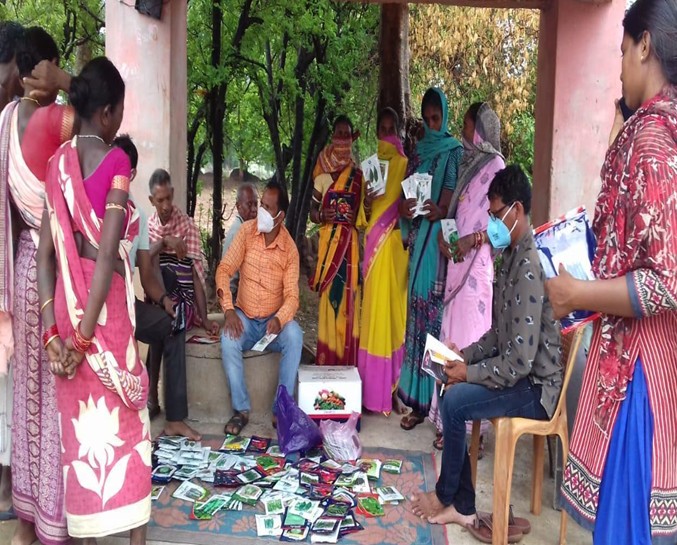
- Using locally prepared natural bio-inputs
- Encouraging beneficial insects and natural predators
- Improving soil health and crop resilience
- Applying ecological principles from cultivation to post-harvest handling
NPM ensures food that is safe, pesticide-free and environmentally sustainable, benefiting both farmers and consumers.
Project Coverage
- 22 Civil Society Organisations (CSOs)
- 3 States,16 Districts, 26 Blocks, 1,105 Villages
- Focus on both perishable and non-perishable crops
Strengthening Farmer Institutions
- 19 FPOs strengthened
- 15,845 farmers mobilised as shareholders
- Rs.62.32 lakh raised as share capital
- 14 FPOs initiated business activities
- 11 partners leveraged government schemes and convergence support
Scaling Up NPM Production
NPM adoption expanded significantly across regions and crops:
- 39,518 farmers on 19,833 acres (Kharif)
- 14,659 farmers on 10,035 acres (Rabi)
- Crops included paddy, millets, pulses, oilseeds, vegetables and spices
To support production:
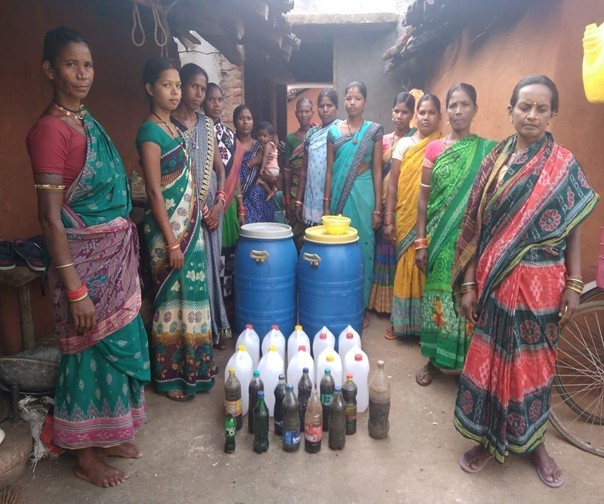
- 47 small-scale and 2 medium-scale bio-input units established
- Over 56,000 litres of liquid and 22,700 kg of solid bio-inputs produced
- Reduced dependence on external inputs and lowered cultivation costs
NPM Guarantee System (NGS)
To ensure credibility of pesticide-free produce, the project introduced the NPM Guarantee System (NGS), a community-based quality assurance system that:
- Confirms adherence to NPM standards
- Builds trust among buyers and consumers
- Differentiates NPM produce from conventional produce
Strengthening the Supply Chain
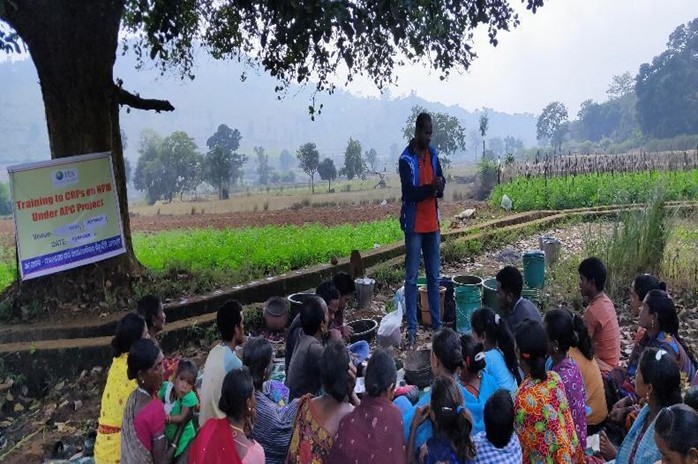
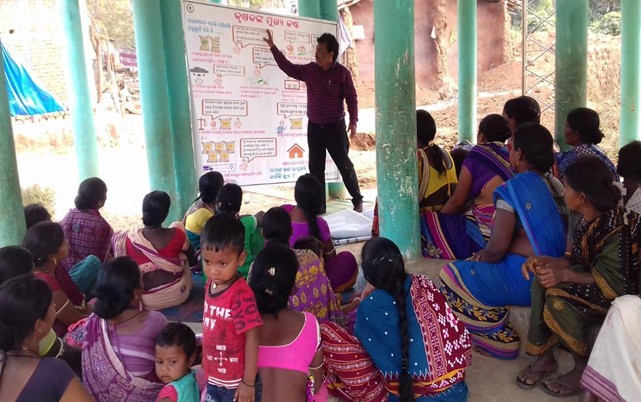
- Training on aggregation, grading, storage and quality checking
- Introduction of hermetic storage solutions, insect traps and moisture meters
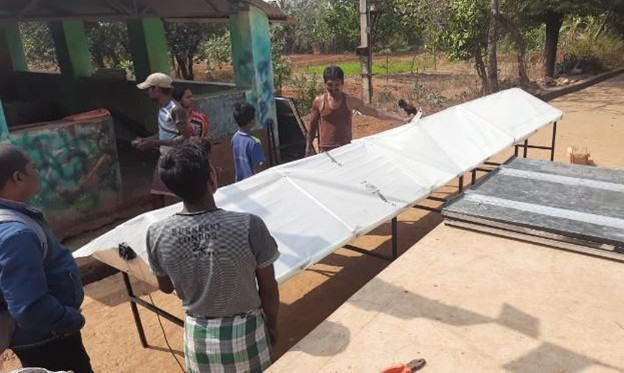
- Support for processing units and solar-based infrastructure
Impact Beyond Numbers
- Reduced input costs for smallholder farmers
- Improved farmer and consumer health
- Strengthened women-led and tribal institutions
- Built long-term capacity of CSOs and FPOs to scale pesticide-free agriculture
| Aspect | Details |
|---|---|
| Project Period | 2019 – 2022 |
| Implementing Agency | SEEDS through the NPM Network |
| Donor | Bharat Rural Livelihoods Foundation (BRLF) |
| Working Area | Odisha, Chhattisgarh and Madhya Pradesh |
| Geographical Coverage | 16 Districts, 26 Blocks, 1,105 Villages |
| Partner Organisations | 22 Civil Society Organisations (CSOs) |
| Primary Beneficiaries | Small and marginal farmers, women farmers and tribal communities |
| Total Farmers Reached | 54,177 farmers |
| Area under NPM | 29,868 acres (Kharif and Rabi combined) |
| Major Crops Covered | Paddy, millets, pulses, oilseeds, vegetables, spices and horticultural crops |
| Farmer Institutions Supported | 19 Farmer Producer Organisations (FPOs) |
| FPO Shareholders | 15,845 farmers |
| Bio-input Units Established | 47 small-scale and 2 medium-scale units |
| Bio-inputs Produced | Liquid bio-inputs and solid formulations using local materials |
| Quality Assurance System | NPM Guarantee System (NGS) |
| Supply Chain Support | Storage, processing, aggregation and collective marketing |
| Quantity Marketed | 1,11,834 quintals of NPM produce |
| Key Outcomes | Reduced input costs, safer food, stronger farmer institutions and improved market access |