School Health Programme
Introduction
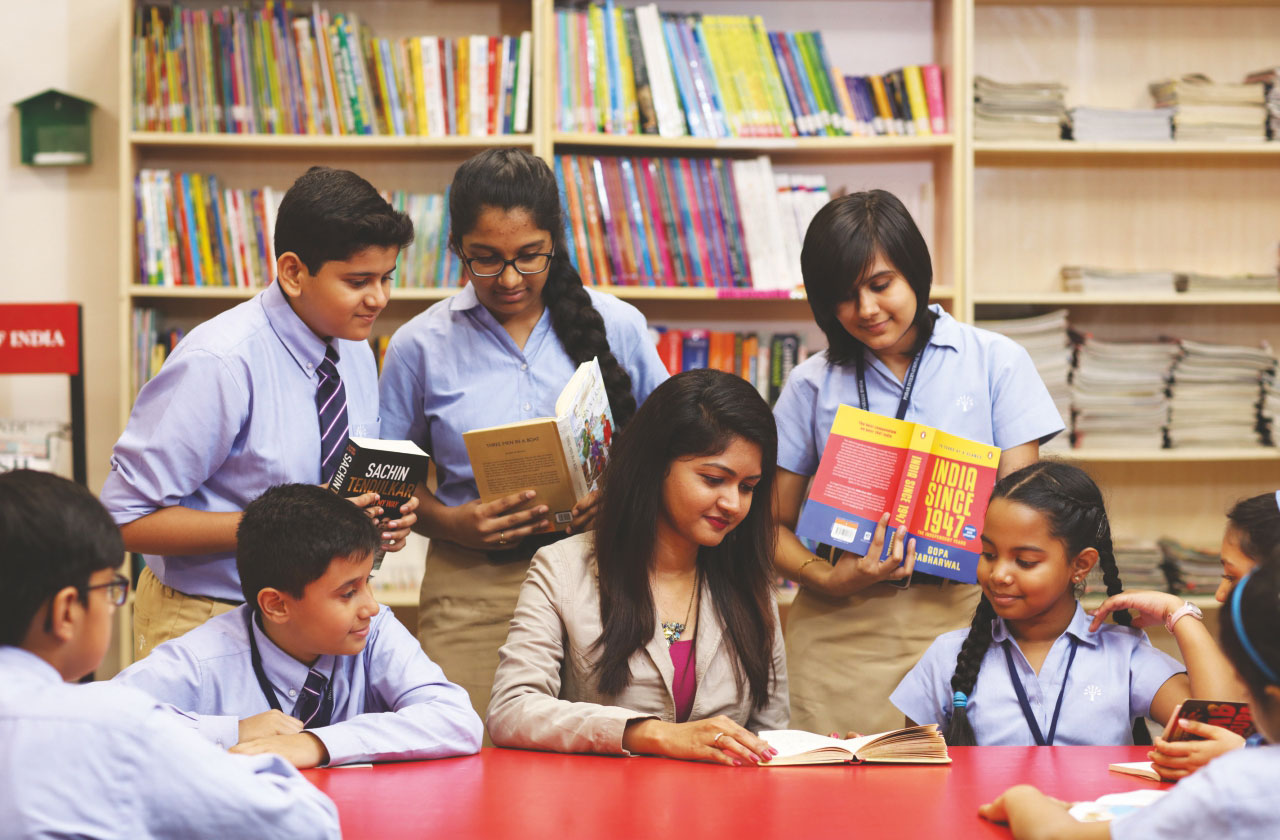
Education is the foundation for sustainable community development. SEEDS firmly believes that providing quality education to children in rural and marginalized areas requires not only good teaching but also a supportive and enabling school environment. Many government schools in remote villages continue to face challenges such as inadequate infrastructure, lack of basic facilities, and insufficient learning resources. These gaps directly affect children’s attendance, motivation, and learning outcomes.
To address these challenges, SEEDS initiated the School Help Programme with the objective of improving the physical learning environment in rural schools and supporting children to pursue education in a safe, dignified, and motivating atmosphere. The programme focuses on strengthening basic school infrastructure, ensuring access to essential facilities, and mobilizing community participation for the long-term sustainability of educational assets.
Objectives of the School Help Programme
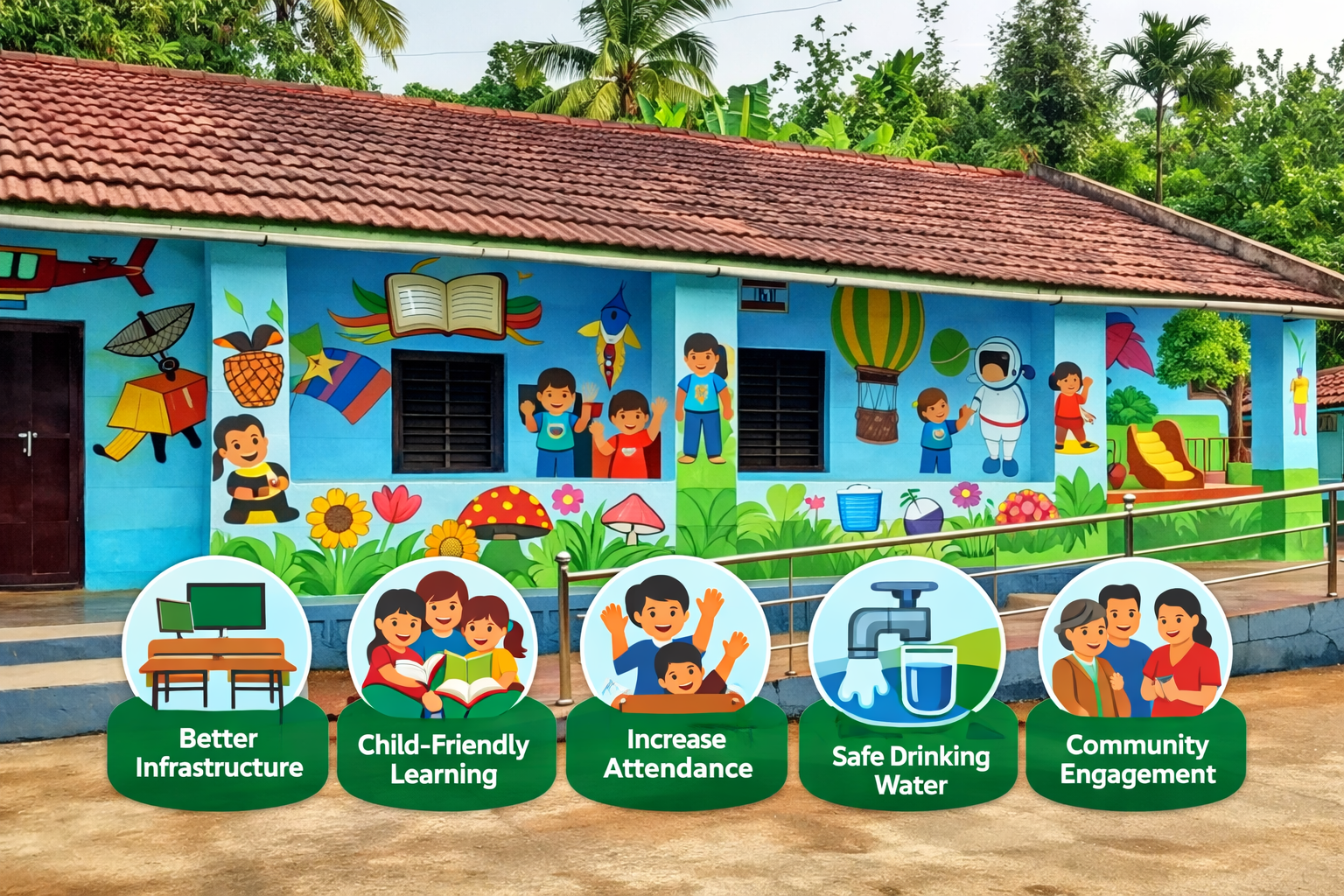
- To improve the basic infrastructure facilities of rural government schools
- To create a child-friendly and safe learning environment
- To enhance school attendance and retention of children
- To support teachers by providing essential furniture and learning facilities
- To strengthen community ownership through Panchayat and Parent Teacher Association (PTA) involvement
- To ensure sustainable utilization and maintenance of school assets
supportive and enabling school environment. Many government schools in remote villages continue to face challenges such as inadequate infrastructure, lack of basic facilities, and insufficient learning resources. These gaps directly affect children’s attendance, motivation, and learning outcomes.
To address these challenges, SEEDS initiated the School Help Programme with the objective of improving the physical learning environment in rural schools and supporting children to pursue education in a safe, dignified, and motivating atmosphere. The programme focuses on strengthening basic school infrastructure, ensuring access to essential facilities, and mobilizing community participation for the long-term sustainability of educational assets.
SEEDS adopts a participatory and need-based approach while implementing the School Help Programme. The process includes:
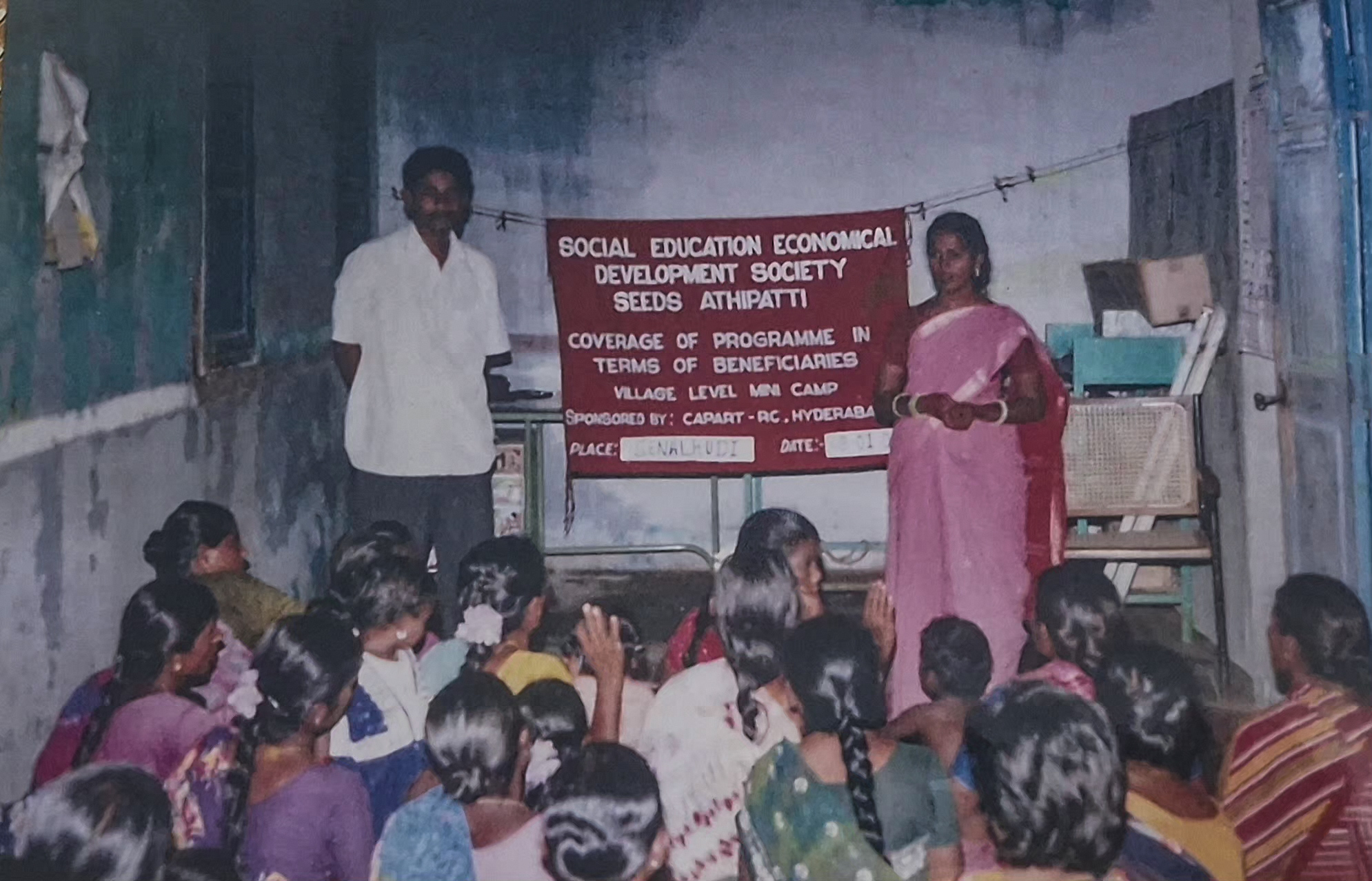
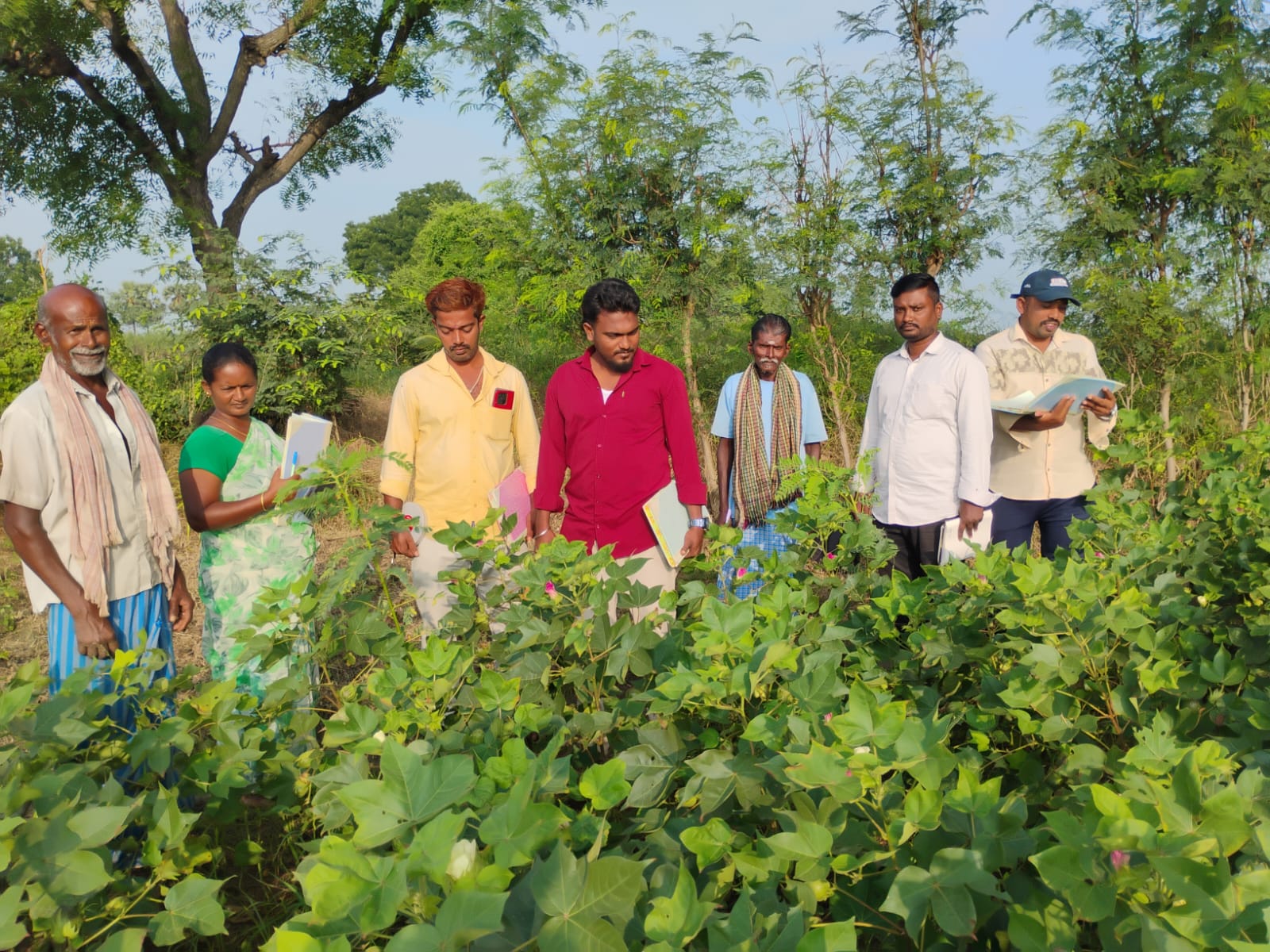
SEEDS conducts field visits and interacts with school teachers, village Panchayat members, parents, and students to assess infrastructure gaps and priority requirements such as furniture, drinking water, fans, storage facilities, and classroom arrangements.
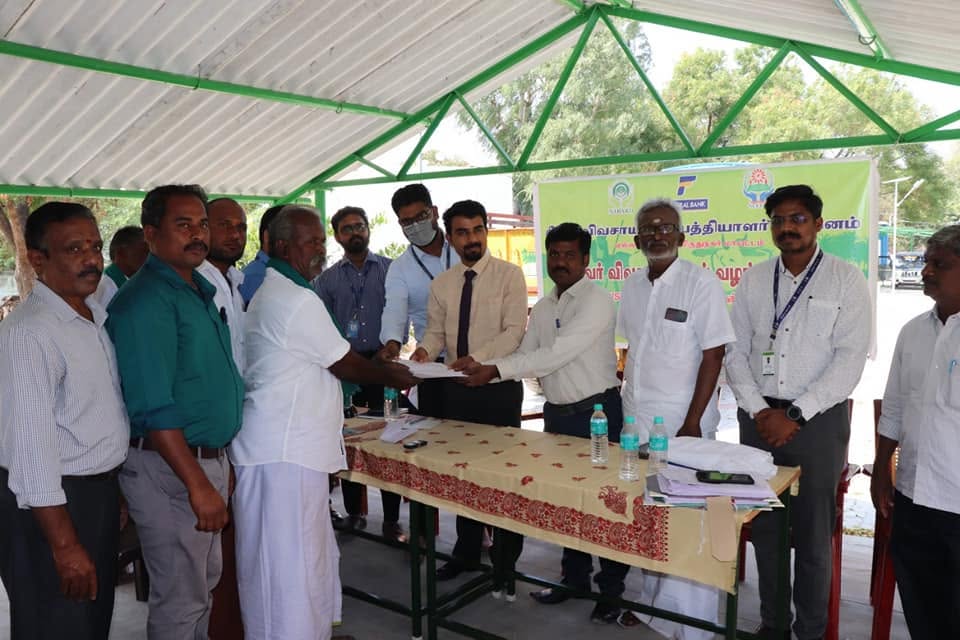
Community consultations are organized to ensure transparency and collective decision-making. The role of the village Panchayat and PTA is clearly defined to take responsibility for the maintenance and protection of the assets provided.
SEEDS mobilizes resources through individual philanthropists, well-wishers, corporate professionals, and donor agencies who are interested in supporting rural education.
Based on identified needs, SEEDS provides essential school infrastructure such as chairs, tables, almirahs, fans, drinking water facilities, and other basic amenities.
Regular follow-up visits are conducted to ensure proper utilization of facilities and to assess improvements in school attendance and learning conditions.
SEEDS has supported several rural schools by providing essential infrastructure facilities that directly contribute to a conducive learning environment. These include:
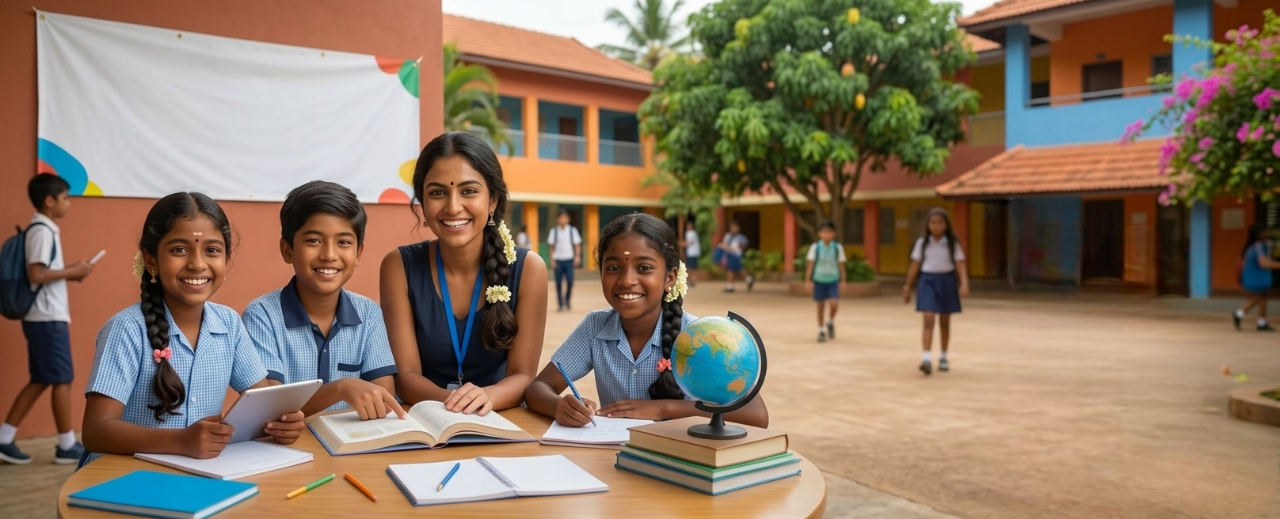
These interventions have significantly improved classroom organization and student comfort, enabling children to focus better on their studies.
School support Initiatives in Remote Villages
In remote villages such as Pannaimoondradaippu and Pulikurichi, SEEDS extended school infrastructure support with the help of a generous well-wisher. Facilities including fans, almirahs, chairs, and tables were provided to improve the overall school environment. A total amount of Rs. 25,000 was spent on these improvements.
The village Panchayat, school staff, and parents expressed their appreciation and committed to maintaining the facilities for long-term use.
With the generous support of Mr. B. Radhakrishnan, Deputy General Manager, HCL Technologies, Chennai, SEEDS has implemented multiple school improvement activities across villages. These include:
1.Provision of classroom furniture
2. Installation of safe drinking water facilities
3.Support for improving the overall learning atmosphere
This collaboration reflects the power of individual social responsibility in transforming rural education.
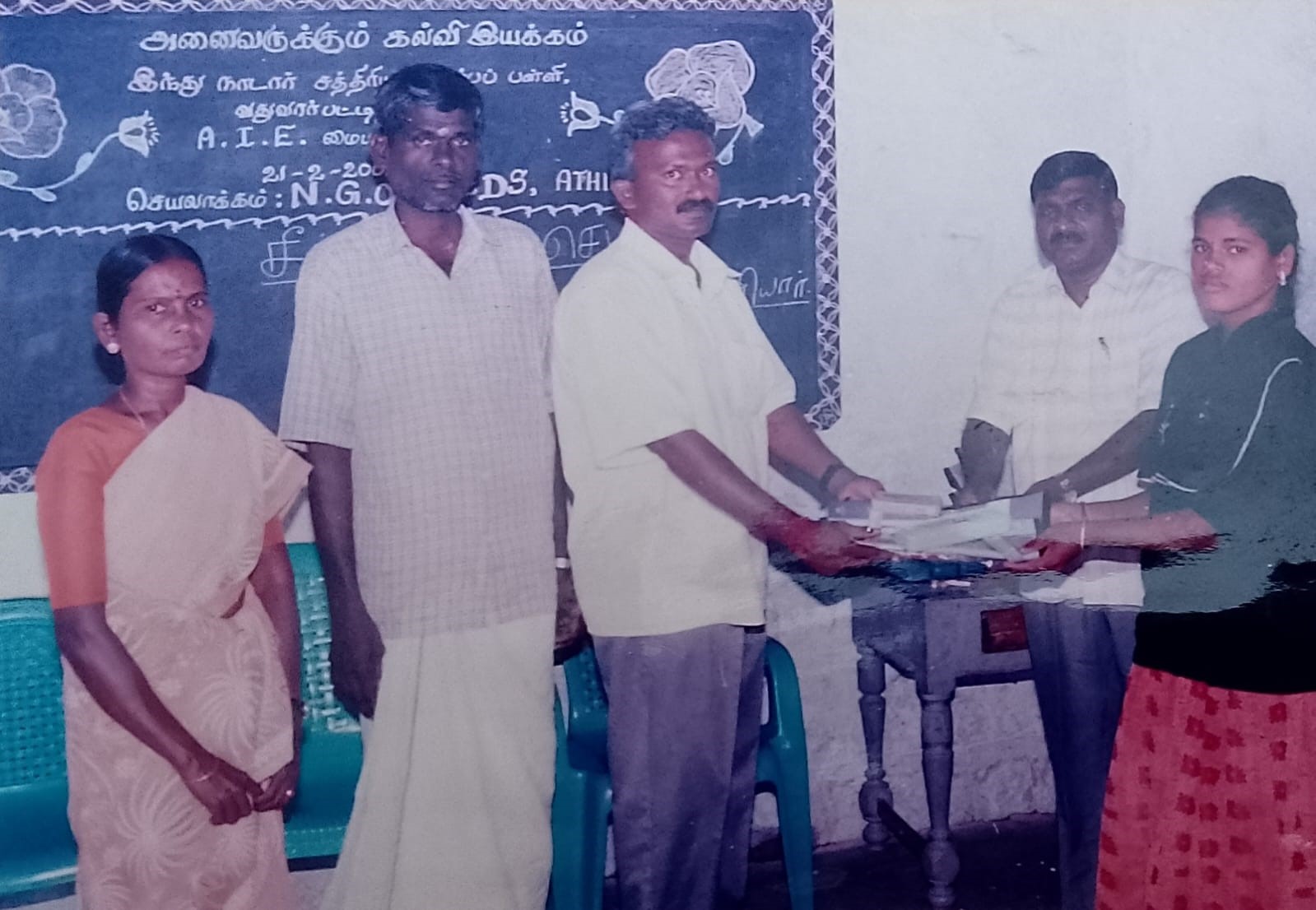
The Sethupathi Government School, Thiruchuli, faced a shortage of essential furniture, which affected classroom management and student comfort. Recognizing this need, SEEDS donated chairs, tables, and almirahs with the support of its philanthropist partner.
The school teachers and management expressed their heartfelt gratitude to SEEDS and the donor for addressing this critical requirement and improving the learning environment for students.
During the reporting year, SEEDS carried out school improvement activities in Sempatti and Chithalankundu villages with the support of Mr. Radhakrishnan and TEAM Mohan. The interventions focused on:
1.Provision of essential furniture2.Arrangement of safe drinking water facilities
To ensure sustainability, the Village Panchayat and Parent Teacher Association have formally taken responsibility for the maintenance and proper utilization of the assets provided.
A key strength of the School Help Programme is its emphasis on sustainability. SEEDS ensures that every intervention is backed by community ownership. The following measures are adopted:
1.Formal involvement of Panchayat and PTA in planning and implementation
2.Clear assignment of responsibility for asset maintenance
3.Awareness among students and parents on proper usage of facilities
4.Periodic monitoring and follow-up by SEEDS field staff
This approach ensures that the benefits of the programme continue for many years and reach future generations of students.
The School Help Programme has resulted in measurable positive outcomes:
1.Improved classroom environment and learning conditions
2.Increased student attendance and participation
3.Enhanced motivation among students and teachers
4.Better hygiene and health through access to safe drinking water
5.Strengthened community involvement in school development
Teachers have reported improved classroom discipline and student attentiveness due to better infrastructure and facilities.
SEEDS plans to expand the School Help Programme to more remote and underserved villages. Future plans include:
1.Supporting additional schools with infrastructure and digital learning aids
2.Strengthening partnerships with individual donors and corporate professionals
3.Integrating school infrastructure support with child development and education programmes
4.Promoting eco-friendly and child-safe school environments
SEEDS remains committed to ensuring that every child, irrespective of socio-economic background, has access to a safe, supportive, and quality learning environment.
The School Help Programme reflects SEEDS’ holistic approach to education and child development. By addressing basic infrastructure needs and fostering strong community participation, the programme contributes significantly to improving the quality of rural education. SEEDS believes that small but meaningful interventions in schools can create lasting impacts on children’s lives and help build a more educated and empowered society.
SEEDS continues to invite individuals, institutions, and well-wishers to join hands in strengthening rural schools and shaping a better future for children.