
Cotton production Projects
Empowering the Future of Cotton: SEEDS - RAMCO-Uniqlo-Omnia Initiative
Transforming Agriculture through Innovation and Community
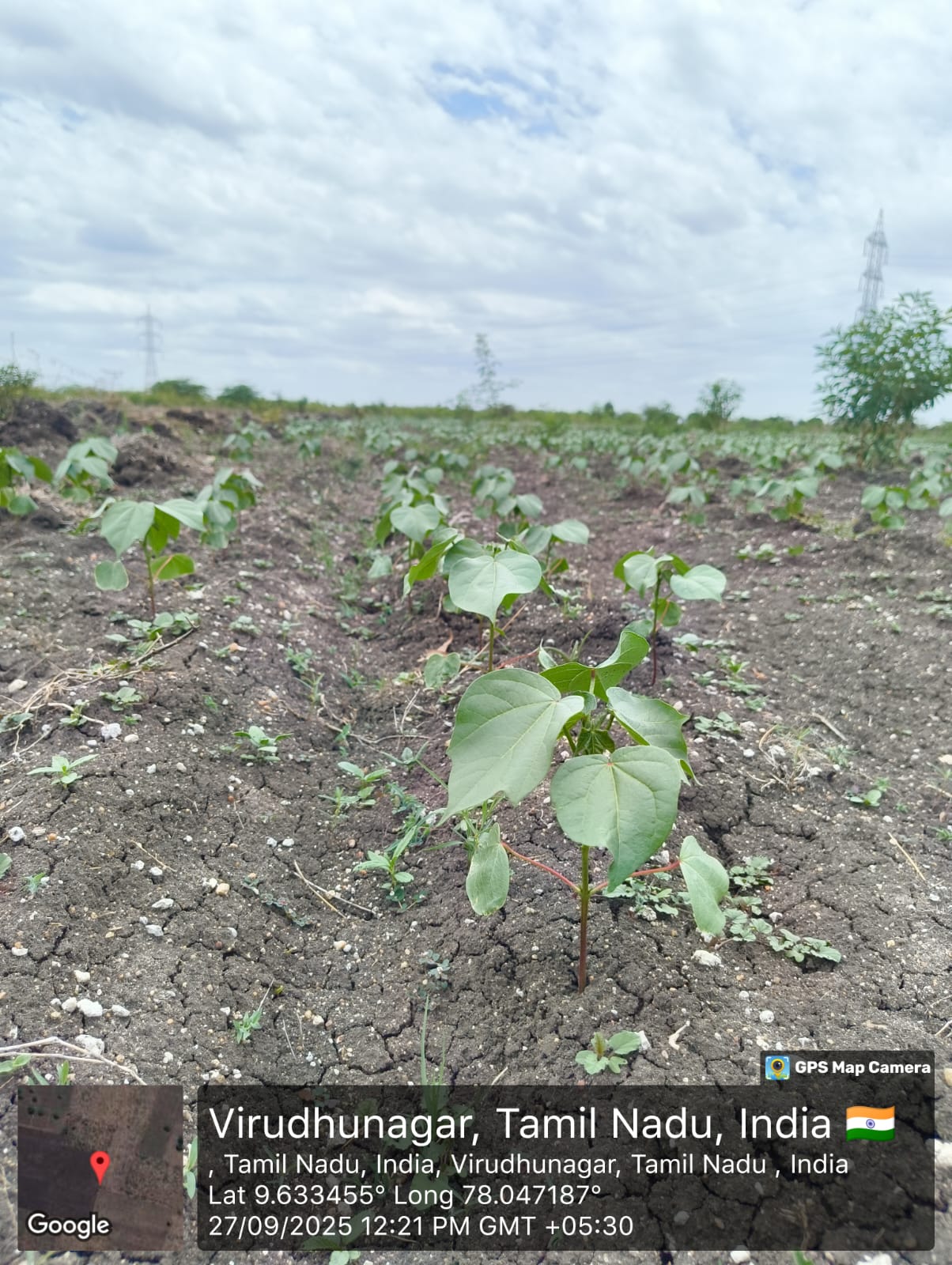
At the heart of the 2025-2026 cotton season, the RAMCO – Uniqlo – Omnia Cotton Project is redefining agricultural excellence. What began as a 47-acre pilot program in 2024 has now blossomed into a large-scale revolution. Driven by the SEEDs NGO, we are bringing a “community revolution” to our working zones, creating viewable assets and lasting change for every farmer involved.
Project Scale & Strategic Locations
Our commitment has grown nearly twenty-fold, now covering a total of 835 acres across three primary hubs in Tamil Nadu:
- Perunali: 500 acres
- Pisindi: 200 acres
- Kottur : 135 acres
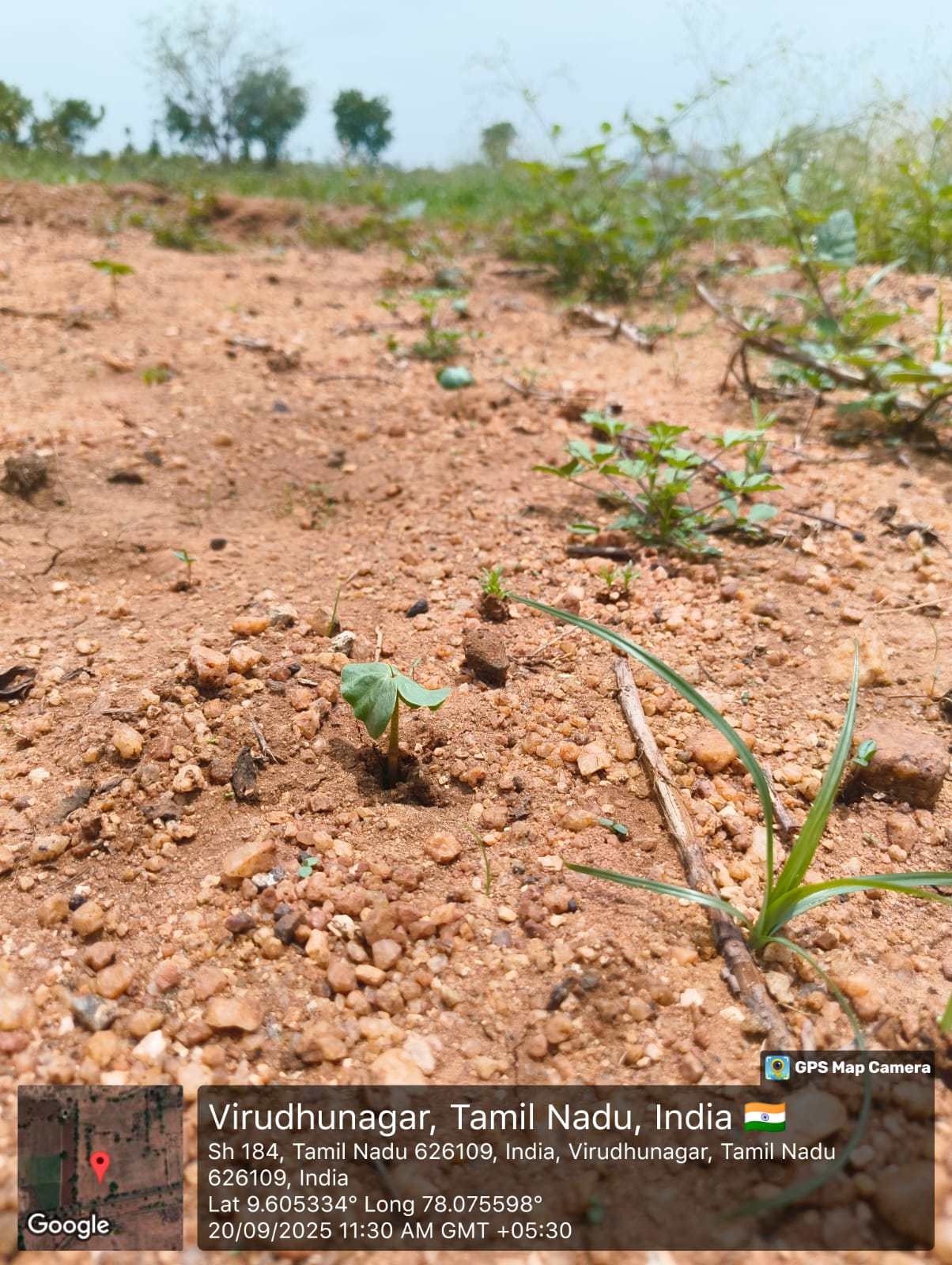
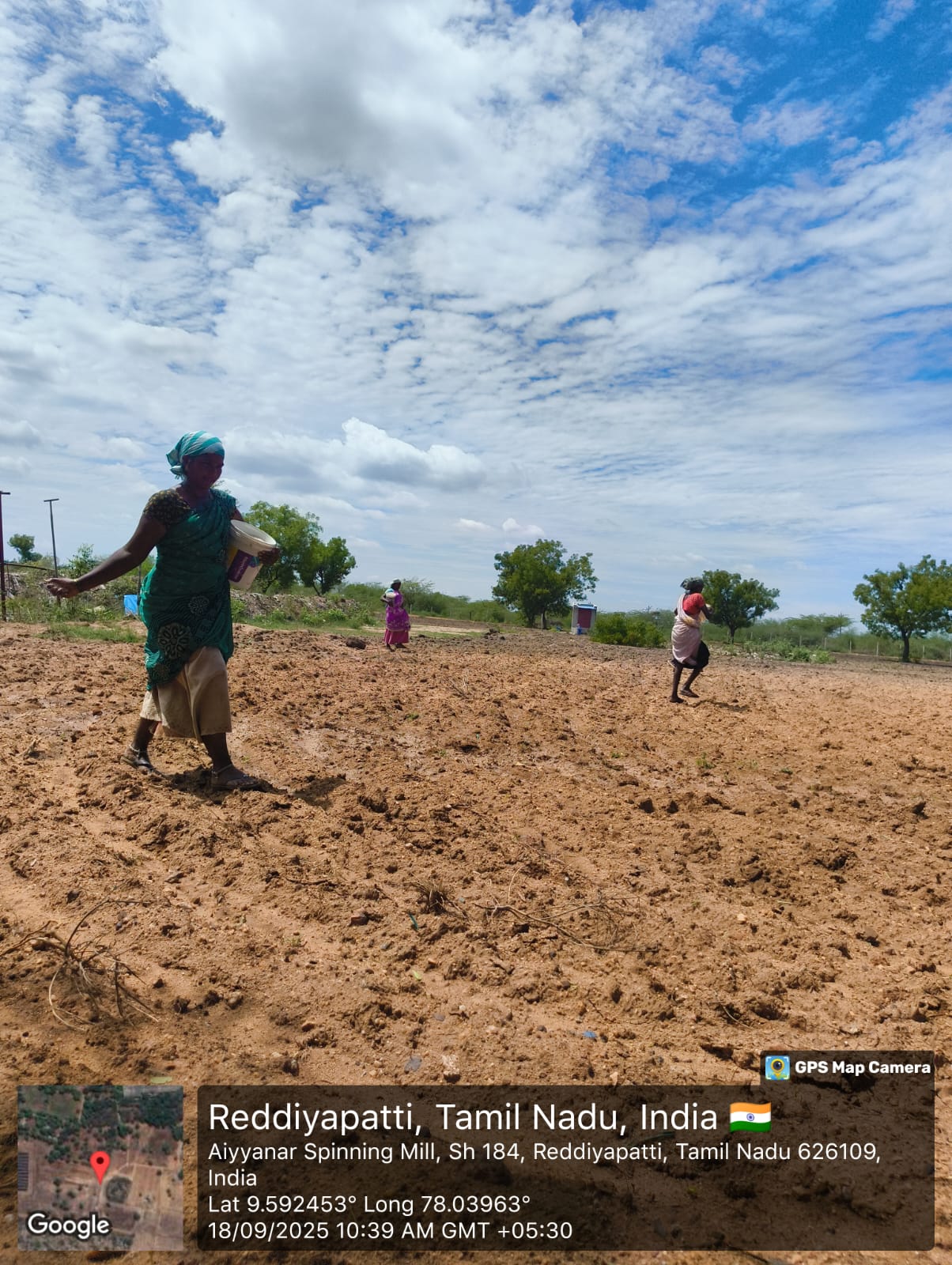
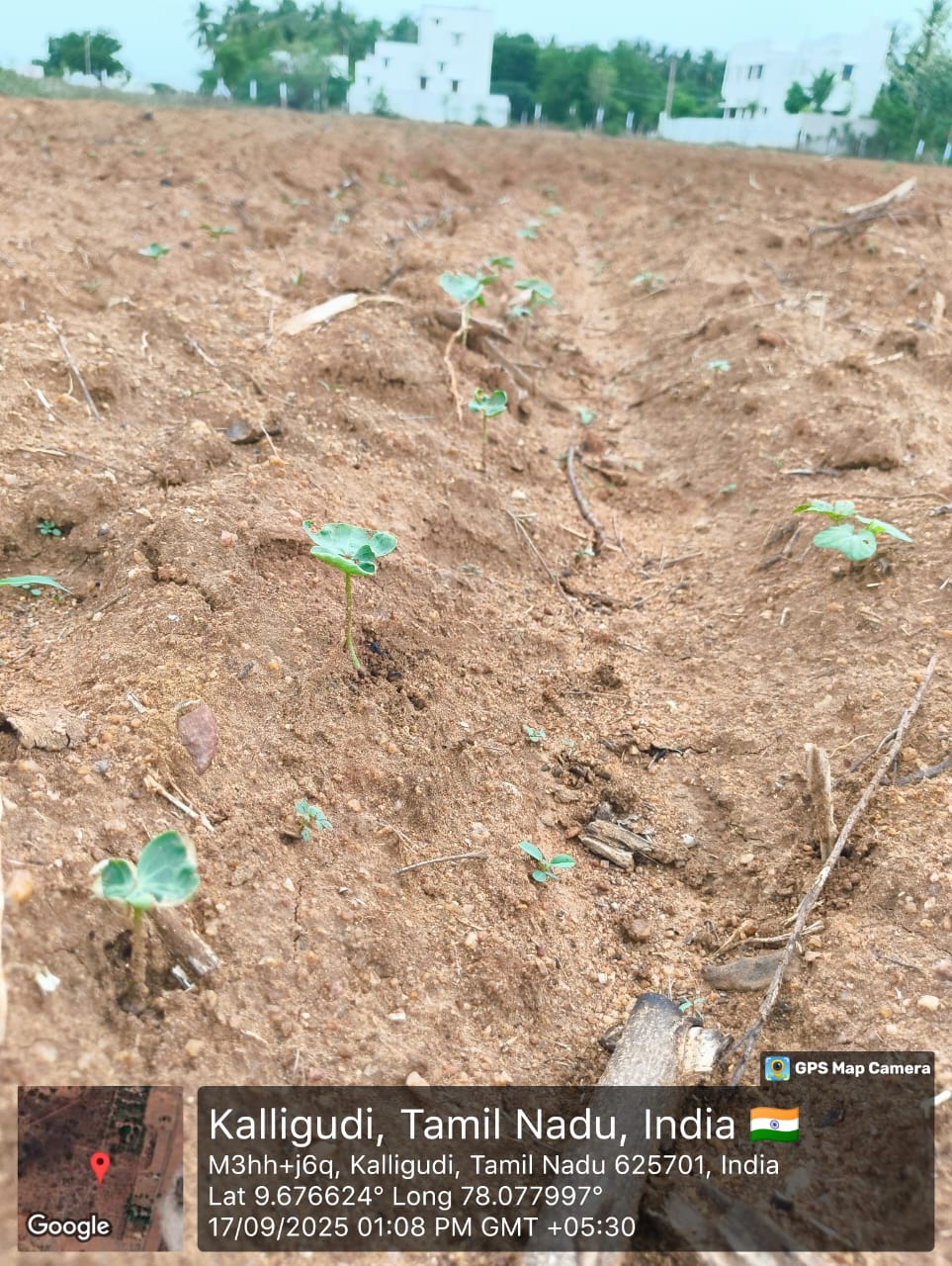
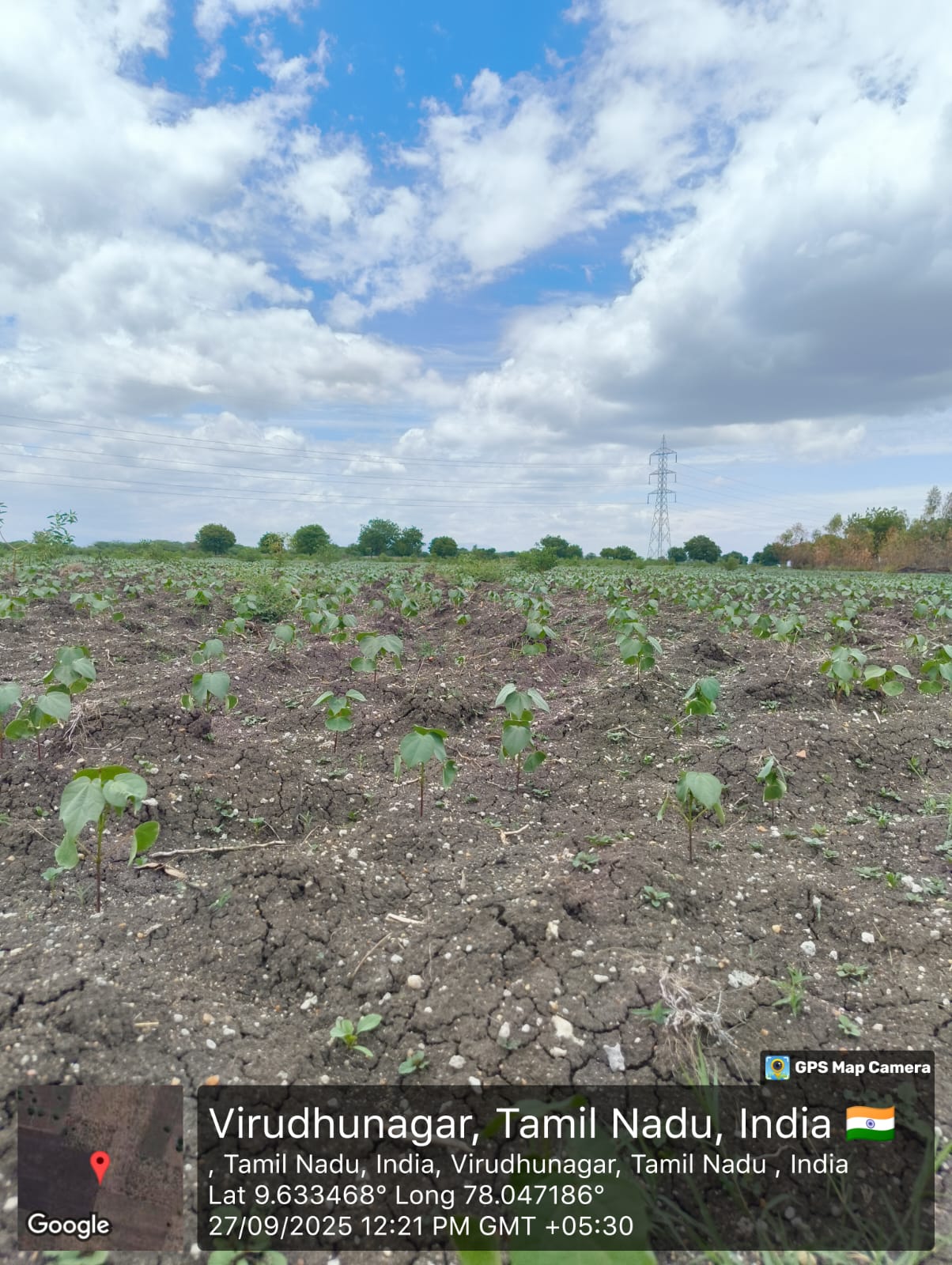
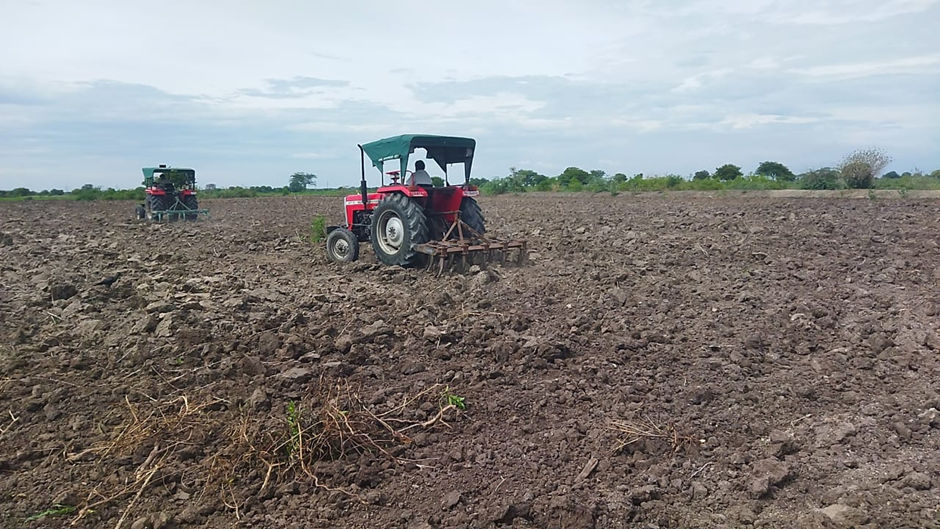
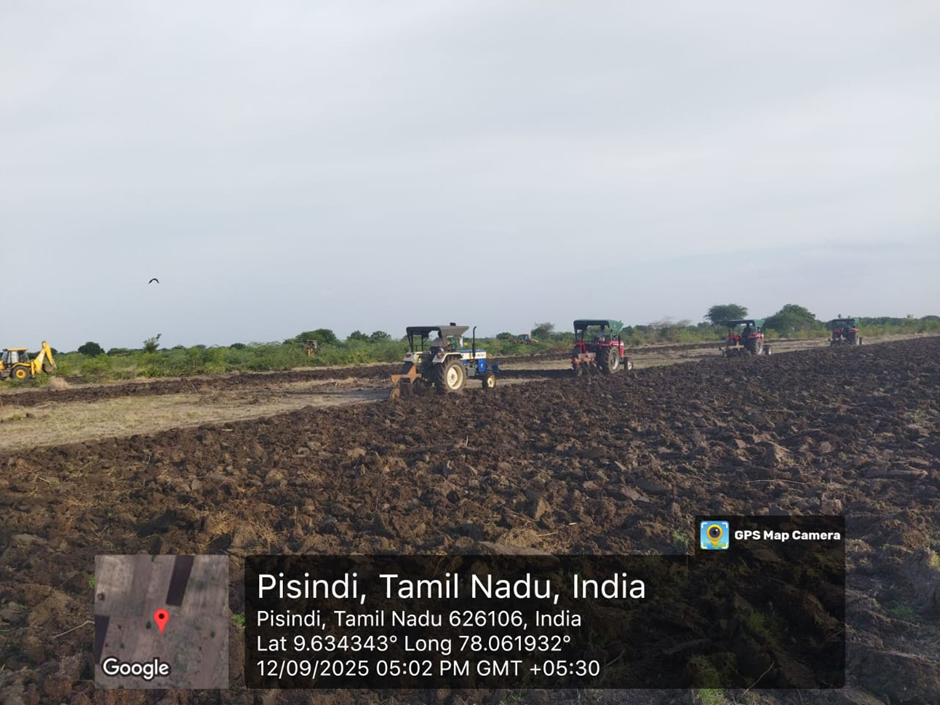
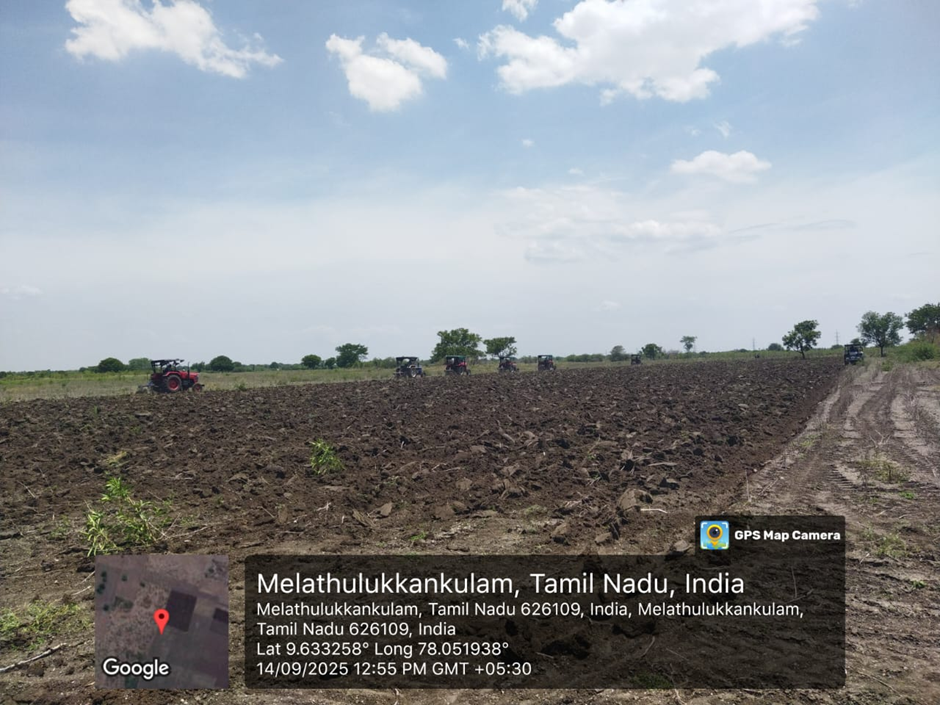
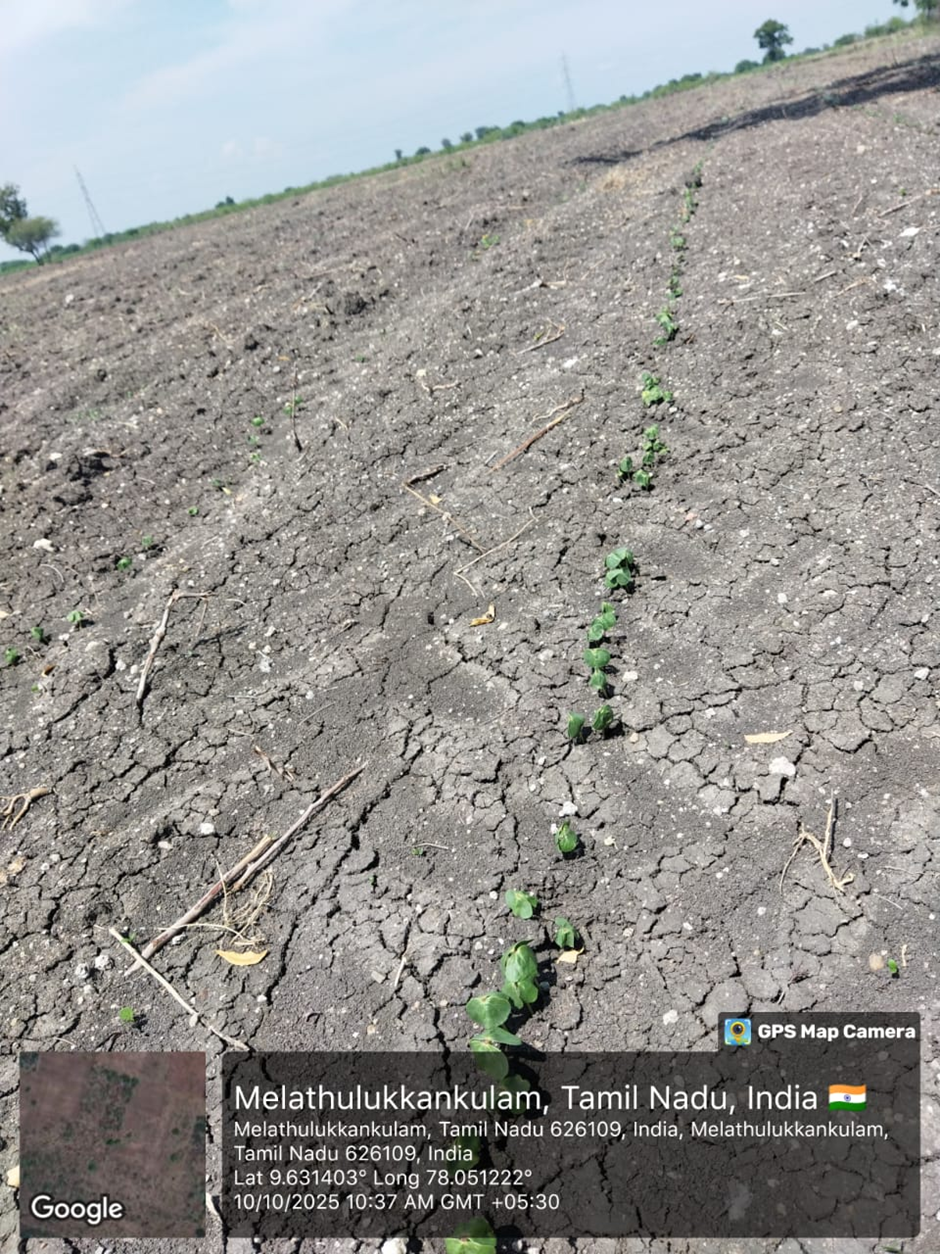
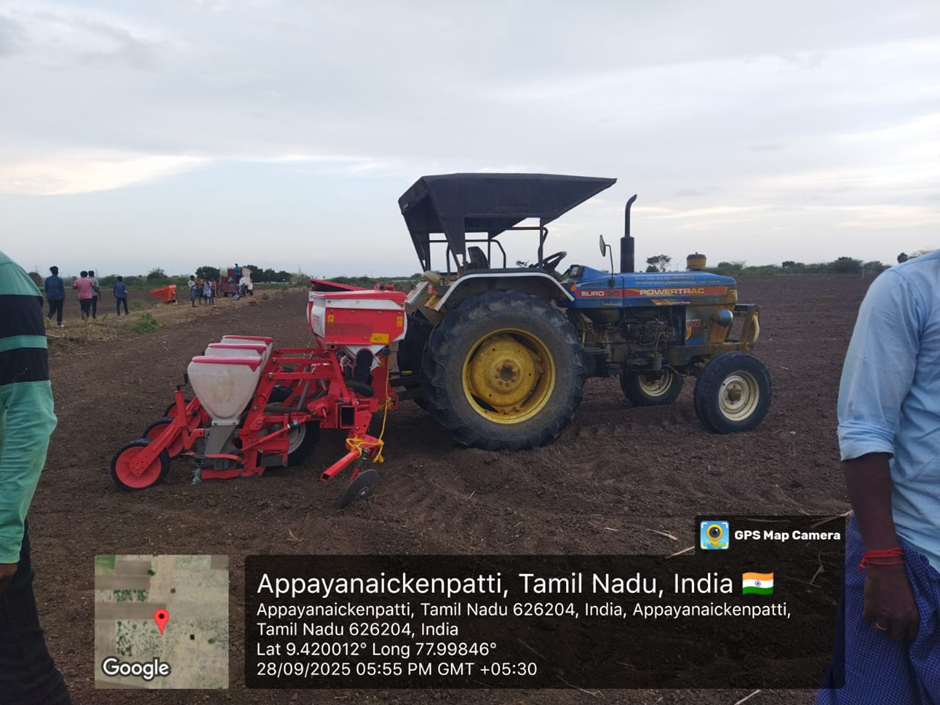
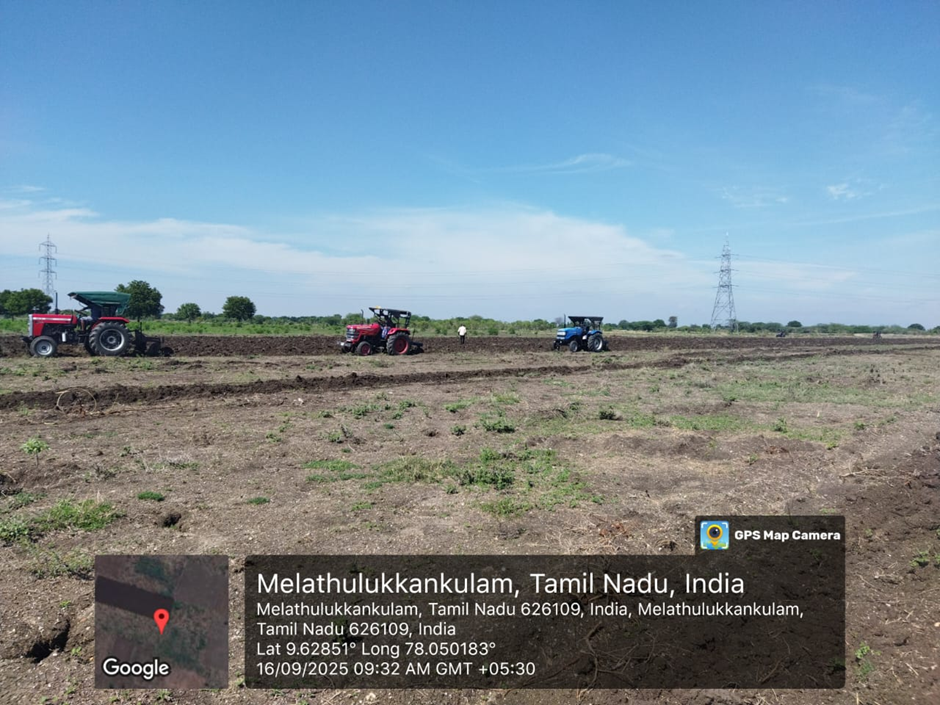
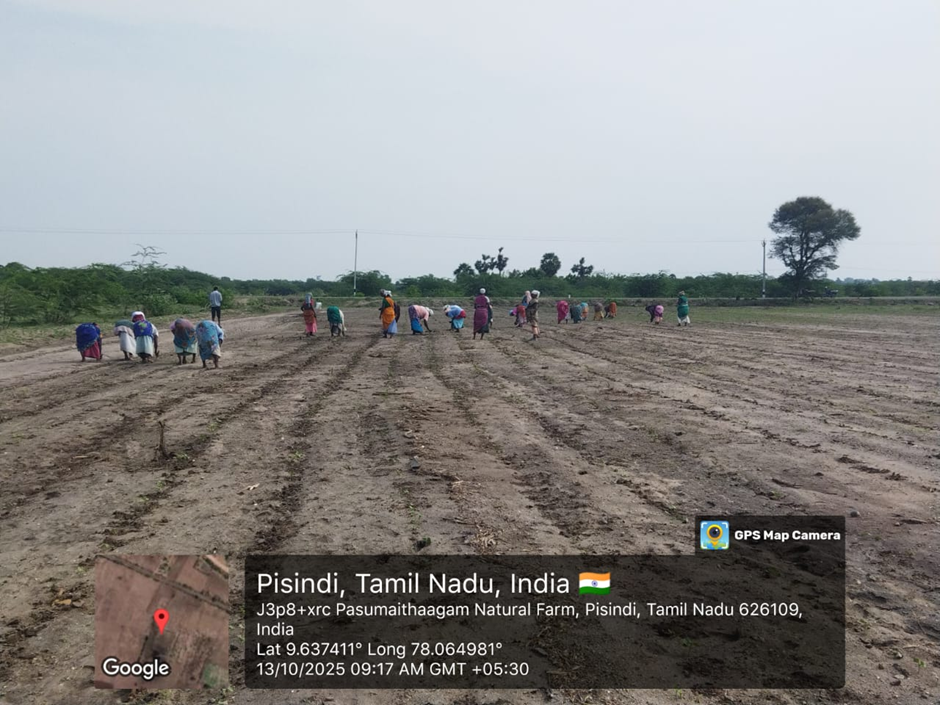
During September, comprehensive operations were executed across these sites, including systematic land preparation, fertilization, and sowing to ensure the best possible start for the season.
Quality at the Core: Cotton Varieties
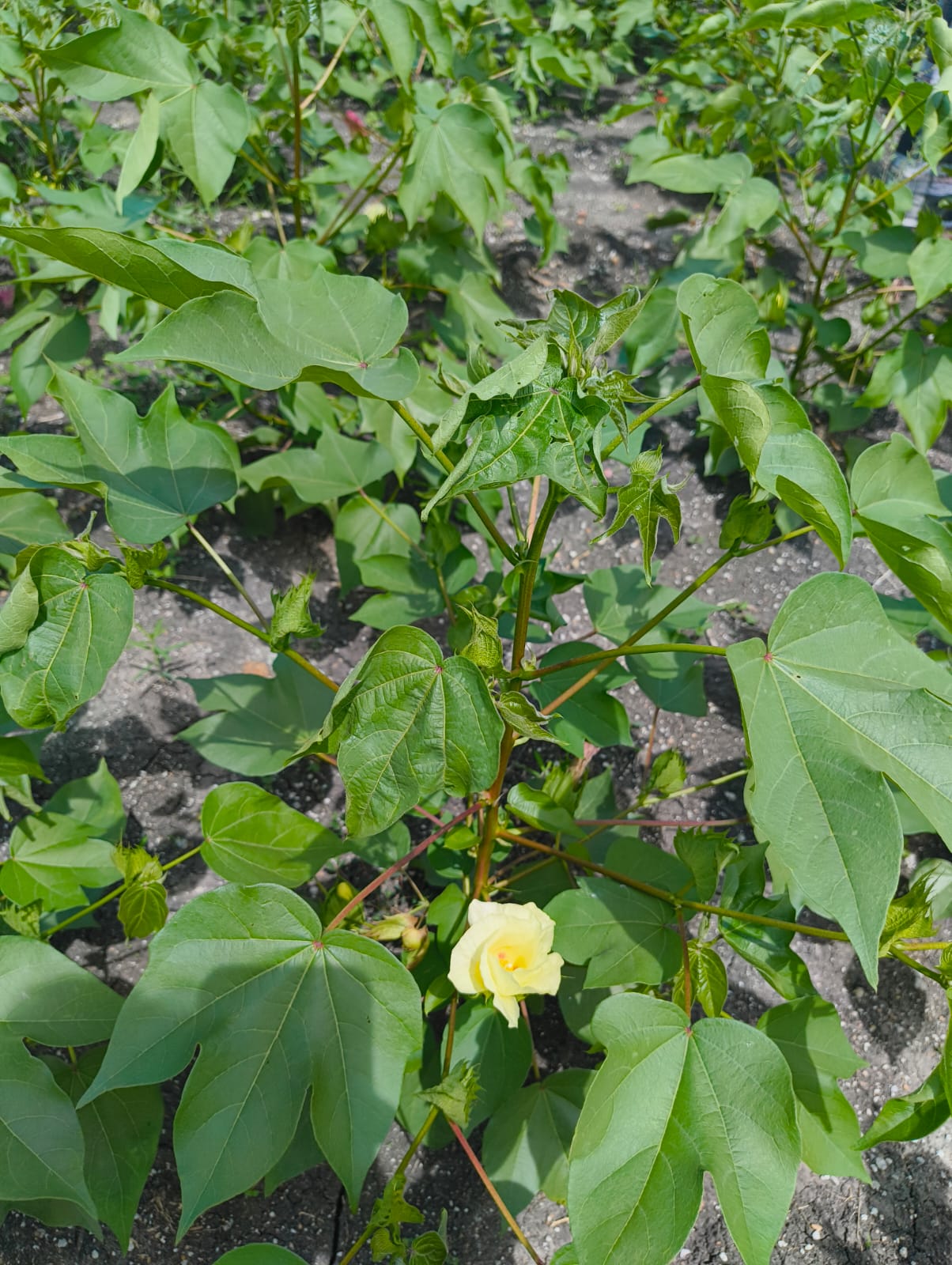
We specialize in high-demand fibers, focusing primarily on Extra-Long Staple (ELS) and Medium-Long Staple cotton. To achieve superior yields, we utilize elite varieties including:- Kohinoor 9901
- Rasi 929 & Rasi 971
- Armitha
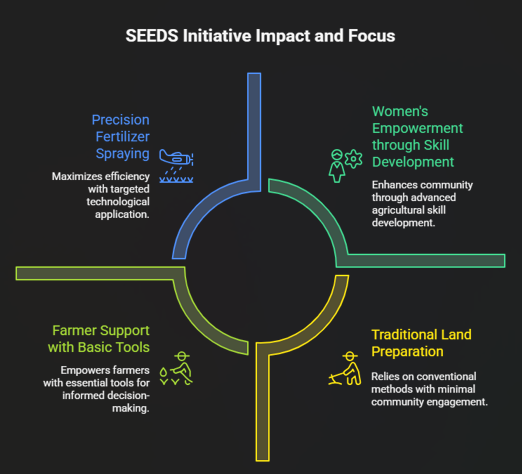
Modernization: Making Farming “Easier and Better”
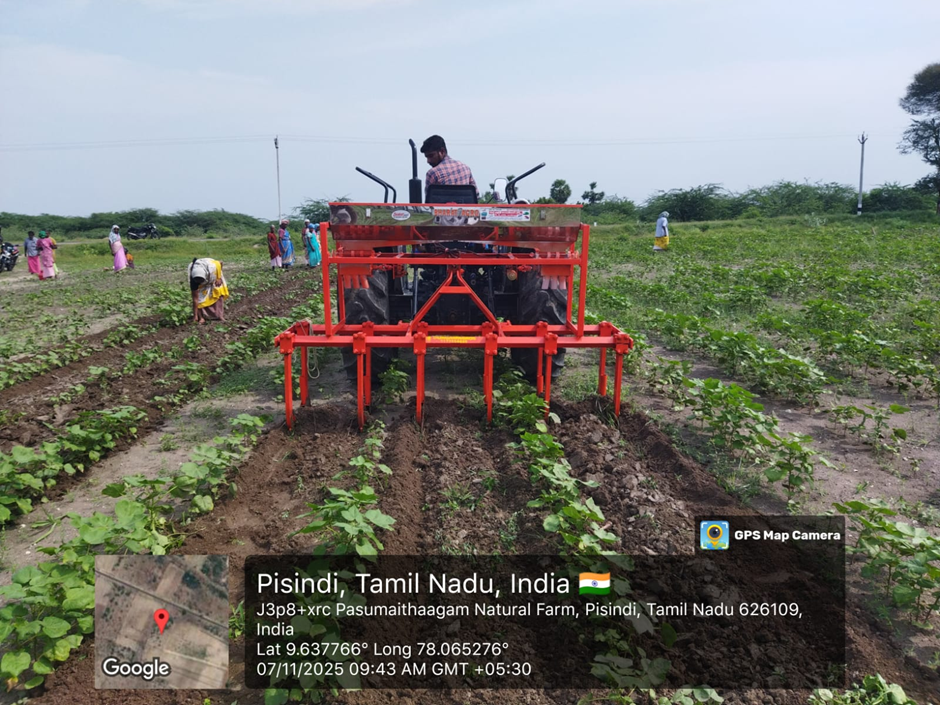
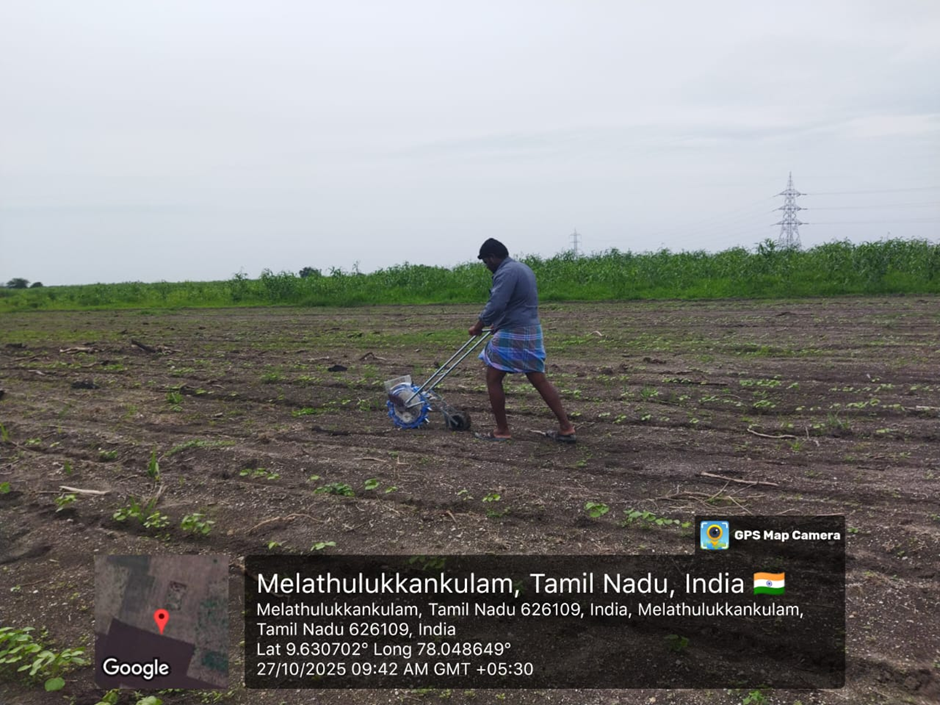
Our motive is simple: use modernized machinery to simplify agricultural work and increase returns for our farmers. By integrating advanced technology, we ensure precision and efficiency at every stage:| Operation | Technology Used | Benefit |
|---|---|---|
| Land Preparation | Rotavators & Cultivators | Systematic soil readiness for optimal growth. |
| Sowing | Automatic Seed Sowing Machines | Uniform crop establishment and labour reduction. |
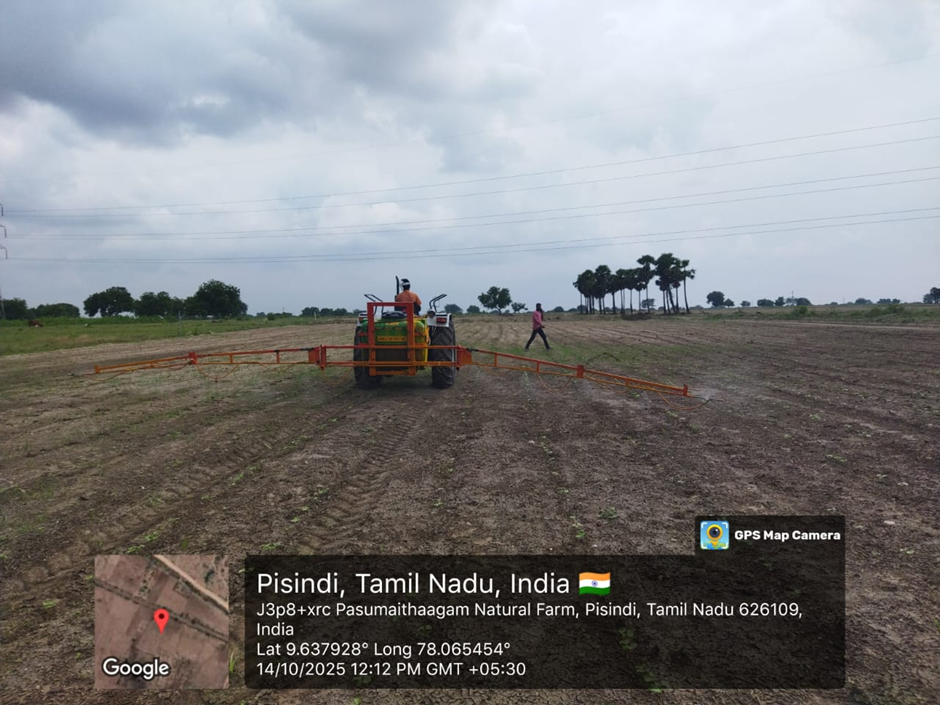
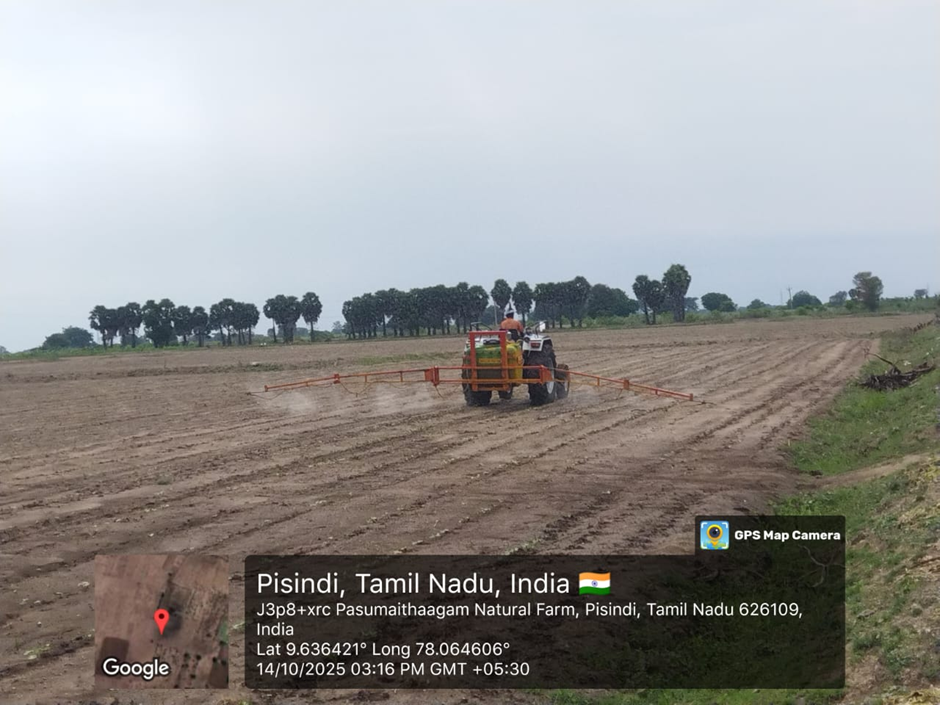
| Protection | Precision Fertilizer Spraying | Targeted nutrient delivery and crop protection. |
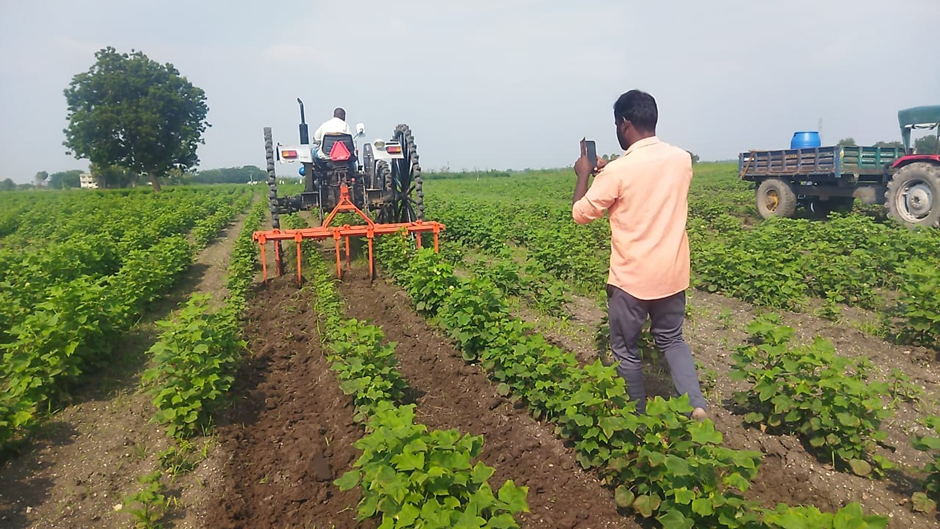
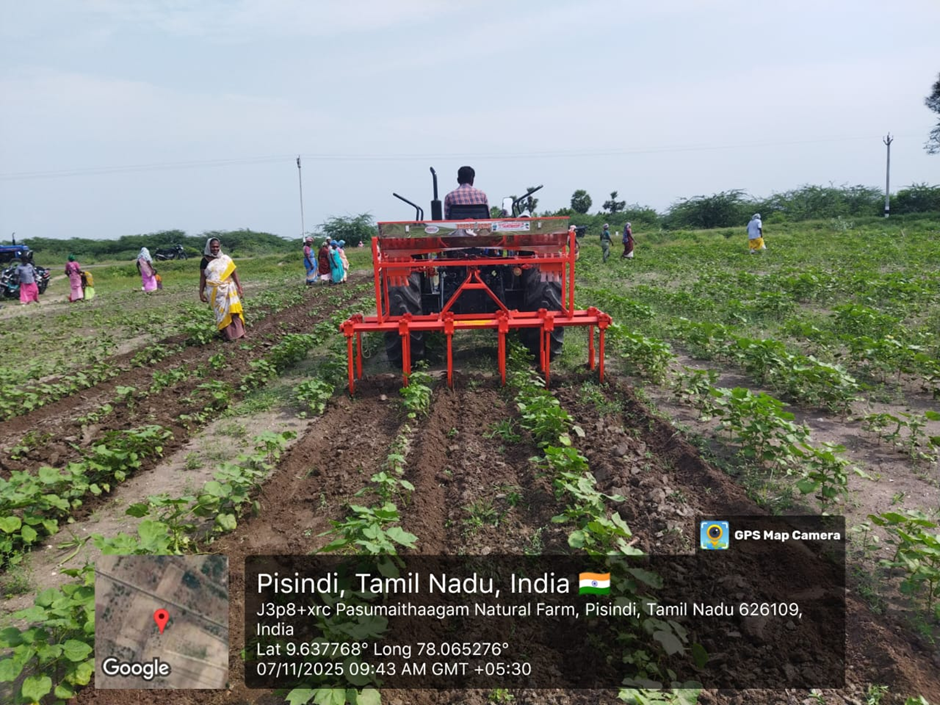
| Maintenance | Intercultivation Machines | Highly efficient weed management. |
Social Impact: Empowerment & Employment
This project is about more than just crops; it is about people. We are building a robust ecosystem that supports the entire community:
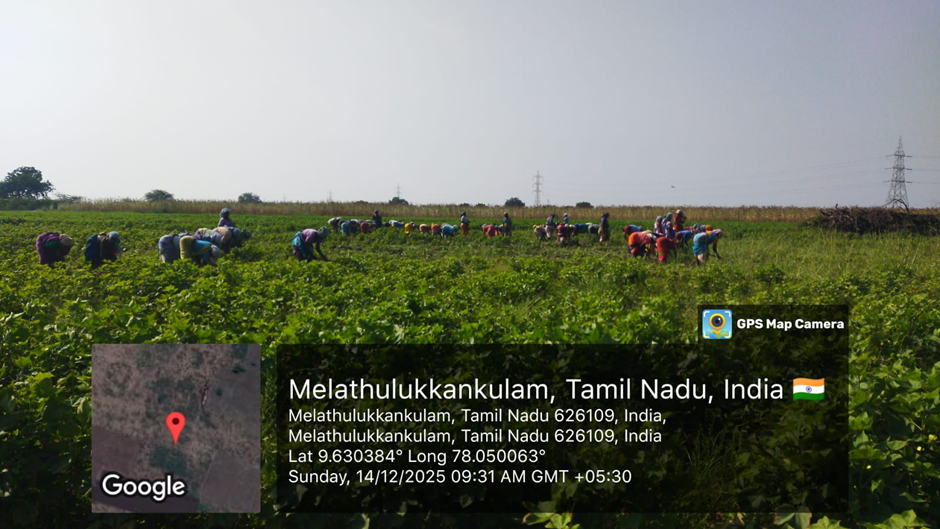
Women’s Empowerment:
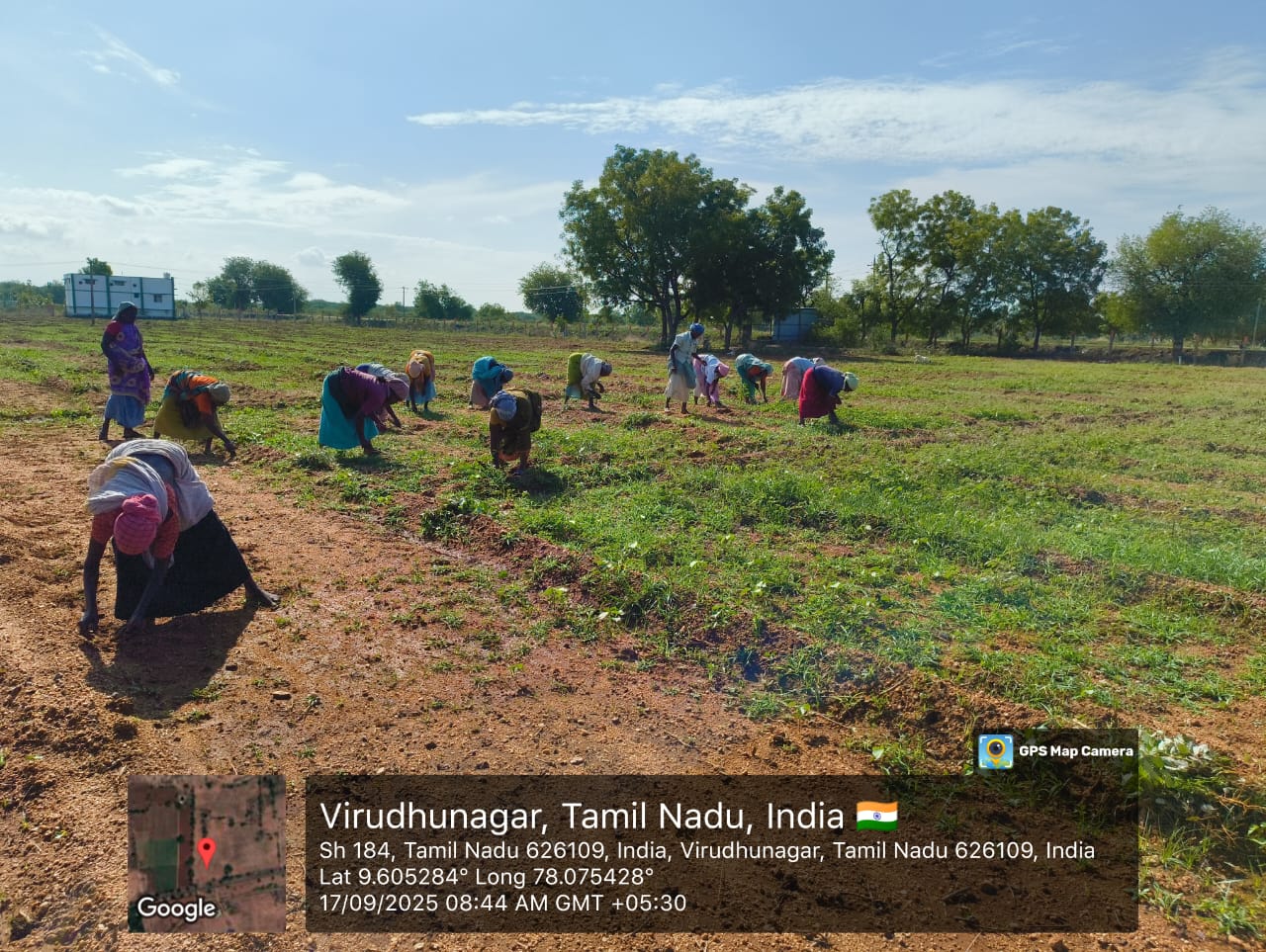
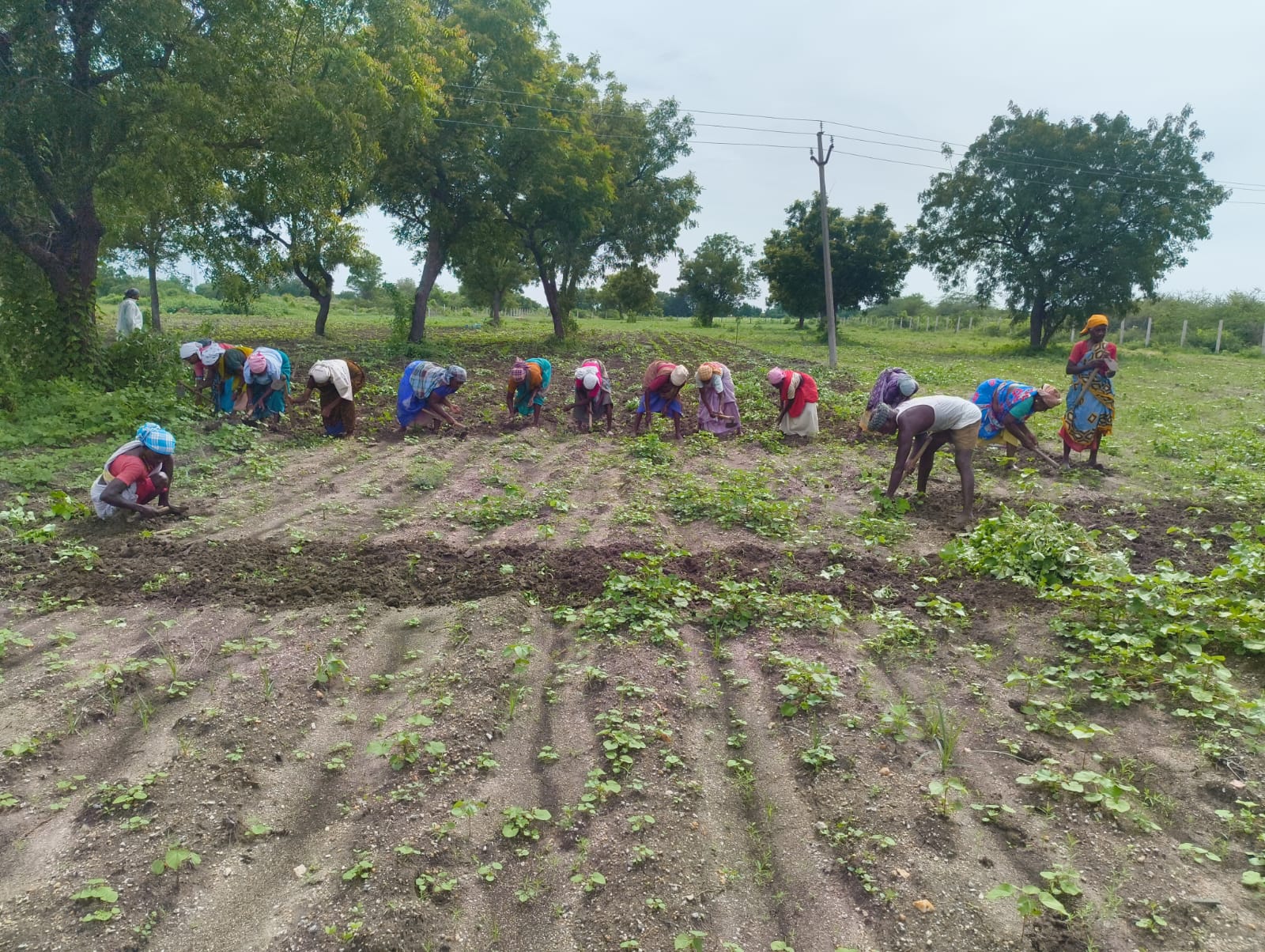
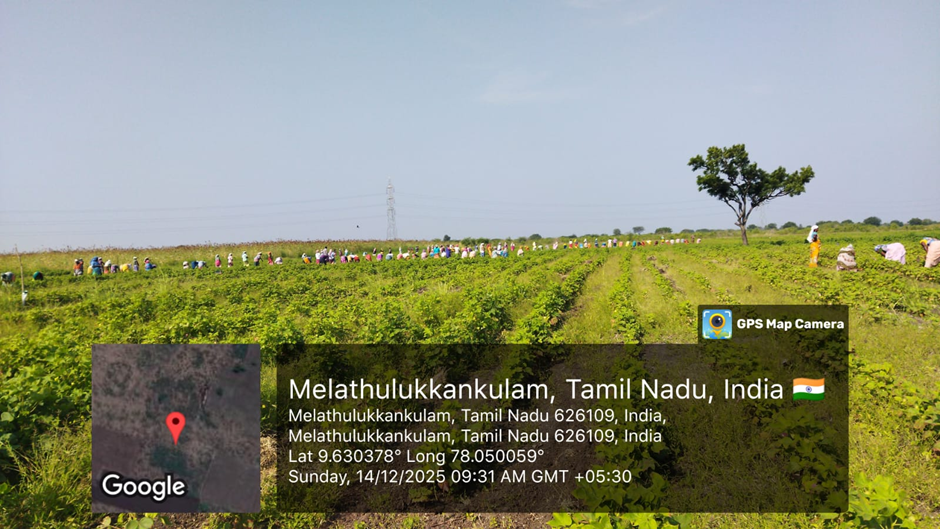
A total of 6,595 women have benefited from the weeding process, gaining enhanced farming skills, economic stability, and direct involvement in agricultural activities.
Youth Opportunity:
We are creating professional pathways for the next generation through roles such as Field Supervisors and Field Assistants, all overseen by a dedicated Project Head.
Farmer Support:
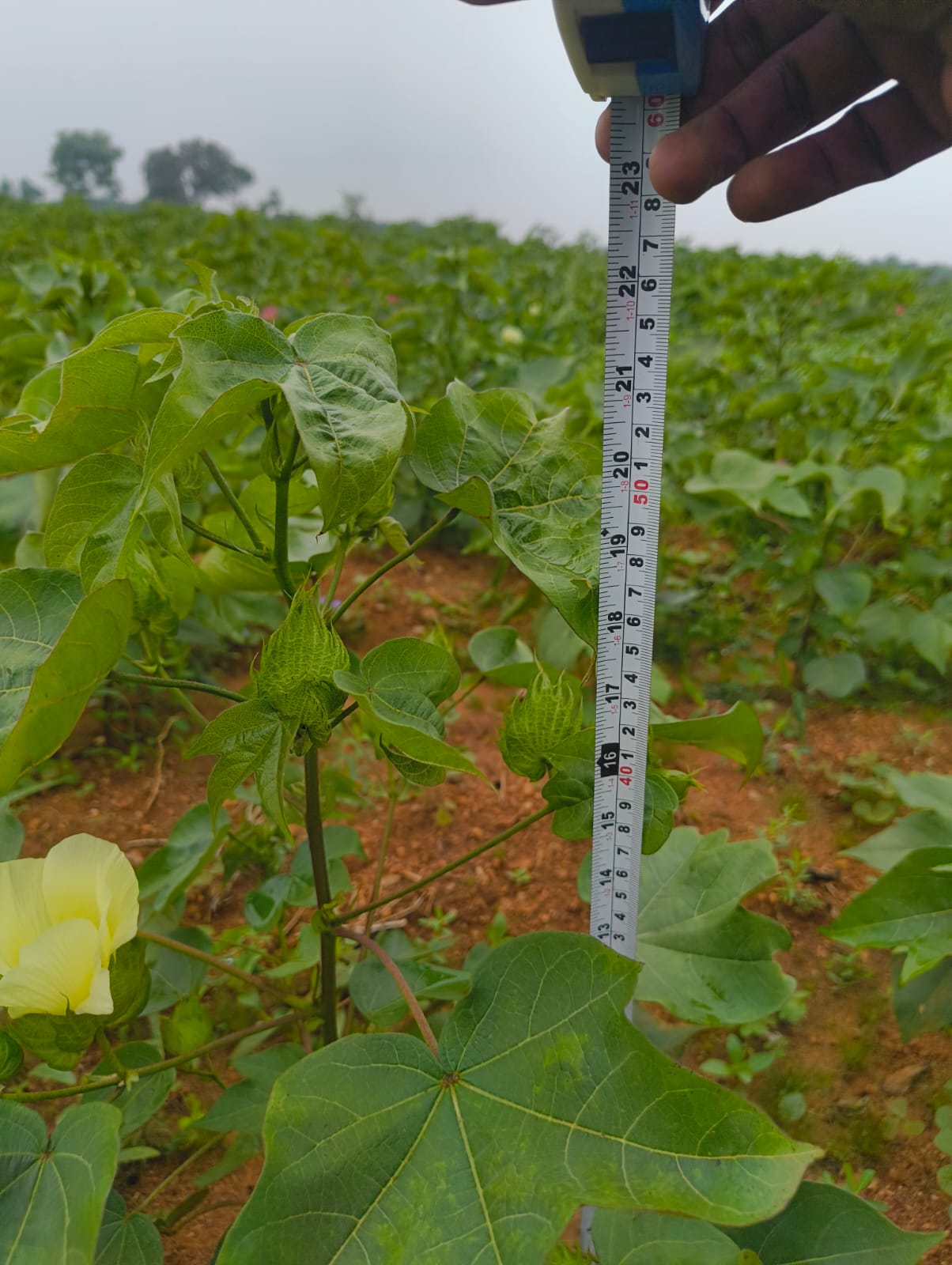
Local farmers benefit directly from access to advanced instruments—including rain gauges, pH testers, and soil moisture meters—to make data-driven decisions.
Building a Sustainable Legacy
By merging high-tech agricultural operations with deep-rooted community support, the RAMCO cotton project is not just growing cotton—we are growing the future of Indian agriculture.Ultimate objective of the cotton project
Introduction
The SAM Cotton Project is a collaborative initiative of SEEDS NGO and Sri Ayyanar Spinning & Weaving Mills, designed to promote sustainable, rainfed cotton cultivation while strengthening farm management practices and supporting rural livelihoods. The project emphasizes responsible land use, climate-resilient farming, and systematic support from land preparation to harvest.
Project Background
- The project was initiated last year as a trial intervention to assess feasibility under rainfed conditions.
- Last year coverage: 17 acres (pilot phase)
- Challenges faced(last year): Late sowing and drought conditions
- Outcome: Moderate yield with valuable learning on crop timing, rainfall dependency, and field management
- The experience gained during the pilot year helped refine strategies and plan a larger-scale implementation in the current year.
Scale-Up in the Current Year
Based on last year’s learning, the project area was gradually expanded in the current year, focusing on rainfall-based cultivation and previously unused lands, without affecting farmers’ regular cropping areas.
Village-wise Planned Area Coverage
| Location | Area (Acres) |
|---|---|
| Pisindi | 38 |
| Thoungal | 22.5 |
| Unit – 1 | 6 |
| Mudiyanoor | 2 |
| Unit – 2 | 21.5 |
| Valayankulam | 7 |
| Total Planned Area | 97 Acres |
Rainfall-Based Cultivation and Area Rationalization
- Cultivation was undertaken at different times based on rainfall availability across locations.
- In Valayankulam, Mudiyanoor, and Unit–2, certain plots experienced poor germination due to lack of timely rainfall.
- Accordingly, the effective cultivated area was revised from 97 acres to 86 acres.
- This realistic adjustment ensured accurate monitoring and transparent reporting of outcomes.
Utilization of Previously Unused and Fallow Lands
- A key positive outcome of the project was the productive use of idle land resources:
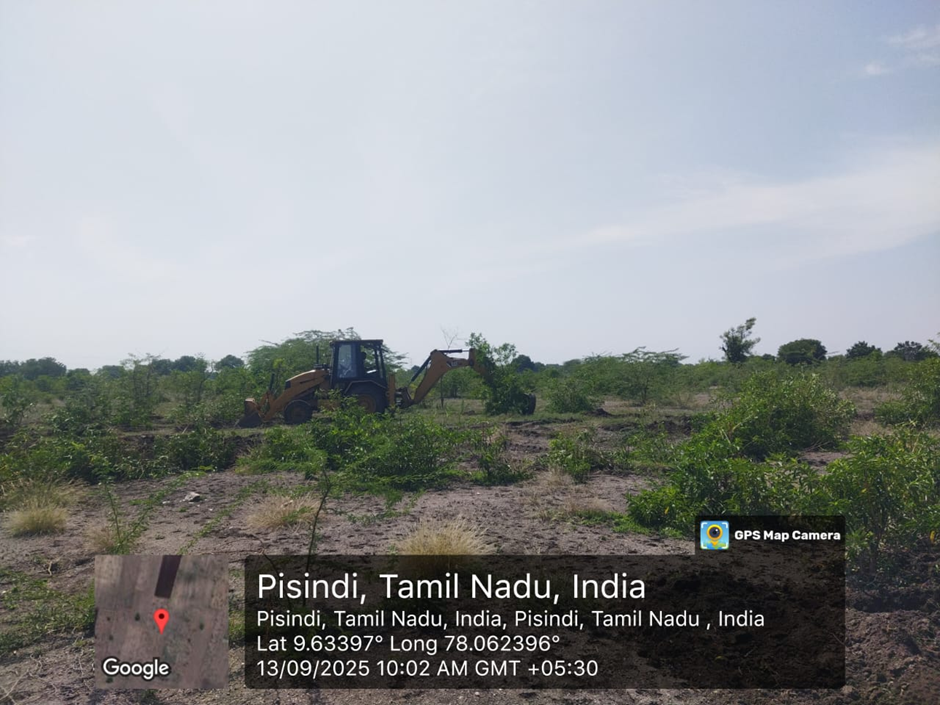
- 25 acres of land covered with Prosopis juliflora were cleared and converted into cultivable land.
- Nearly 80 acres of previously fallow and uncultivated land—which had not been actively used for agriculture for several years—were gradually brought under cotton cultivation.
- These lands were not part of farmers’ regularly cultivated fields, and the project did not disturb existing cropping patterns.
- This effort contributed to land restoration, increased agricultural activity, and improved rural land utilization.
Farming Management and Technical Support
SEEDS NGO provided end-to-end farming management support, ensuring timely operations and quality supervision throughout the crop cycle.
Major Activities Undertaken
- Sowing coordination
- Labour management
- Weed management
- Pest monitoring and advisory
- Use of tractors for land operations
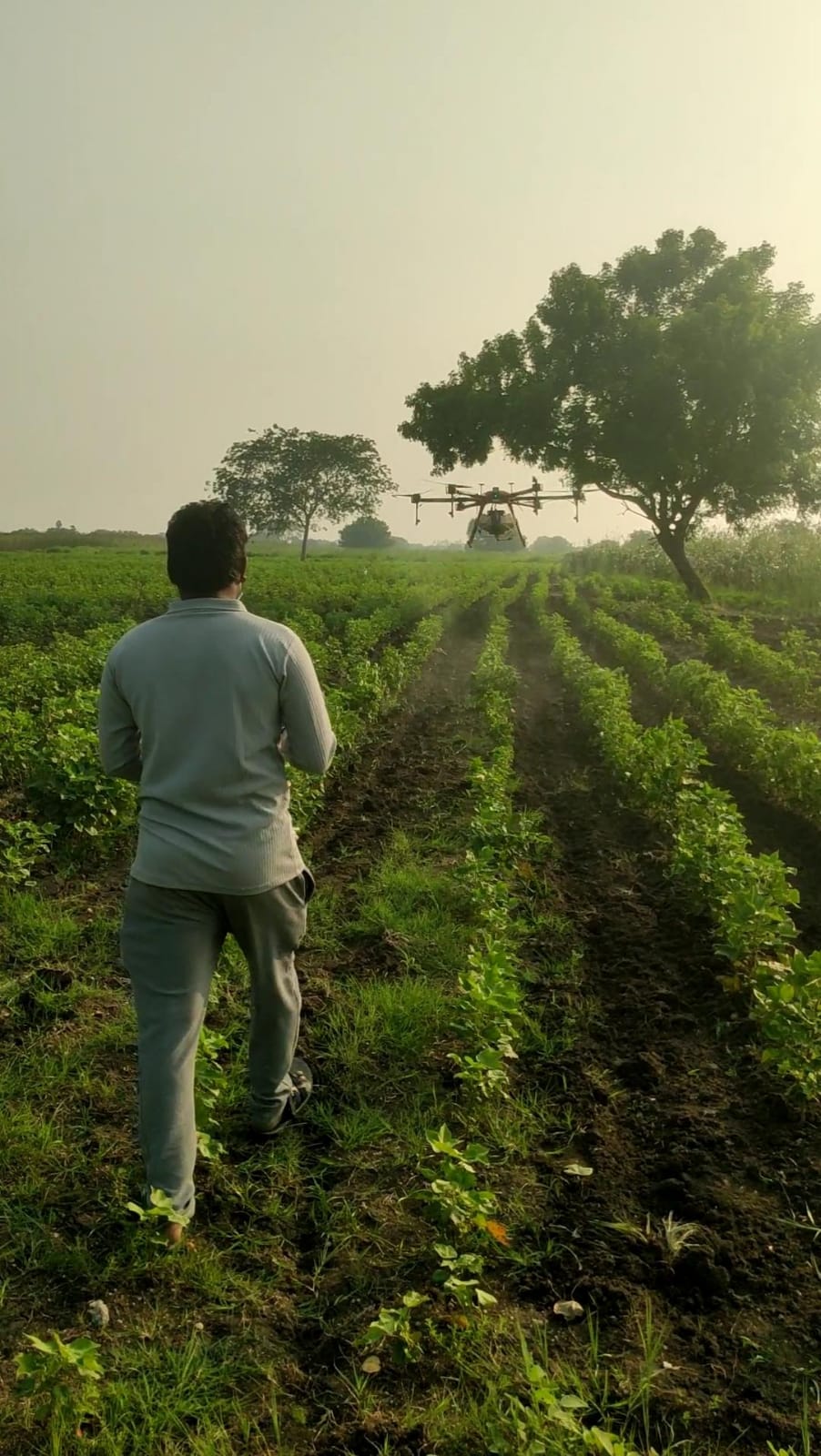
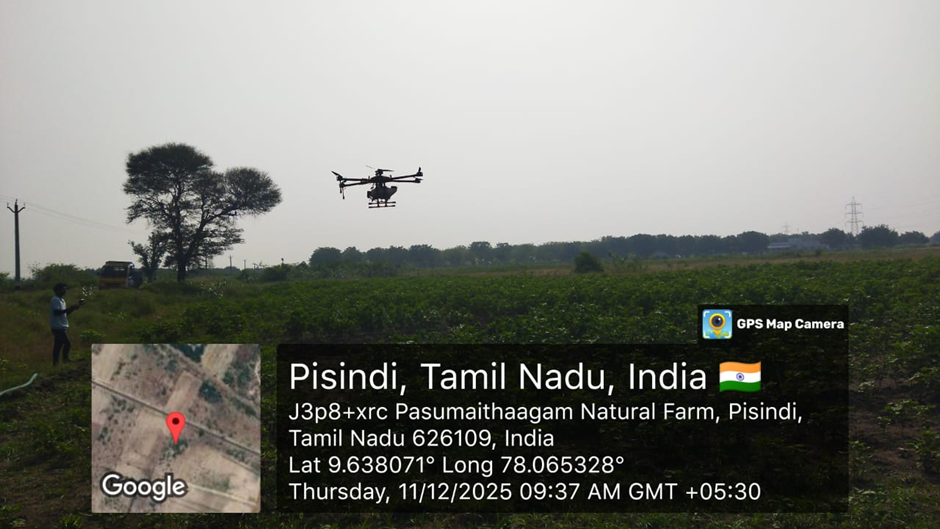
- Drone support for field application
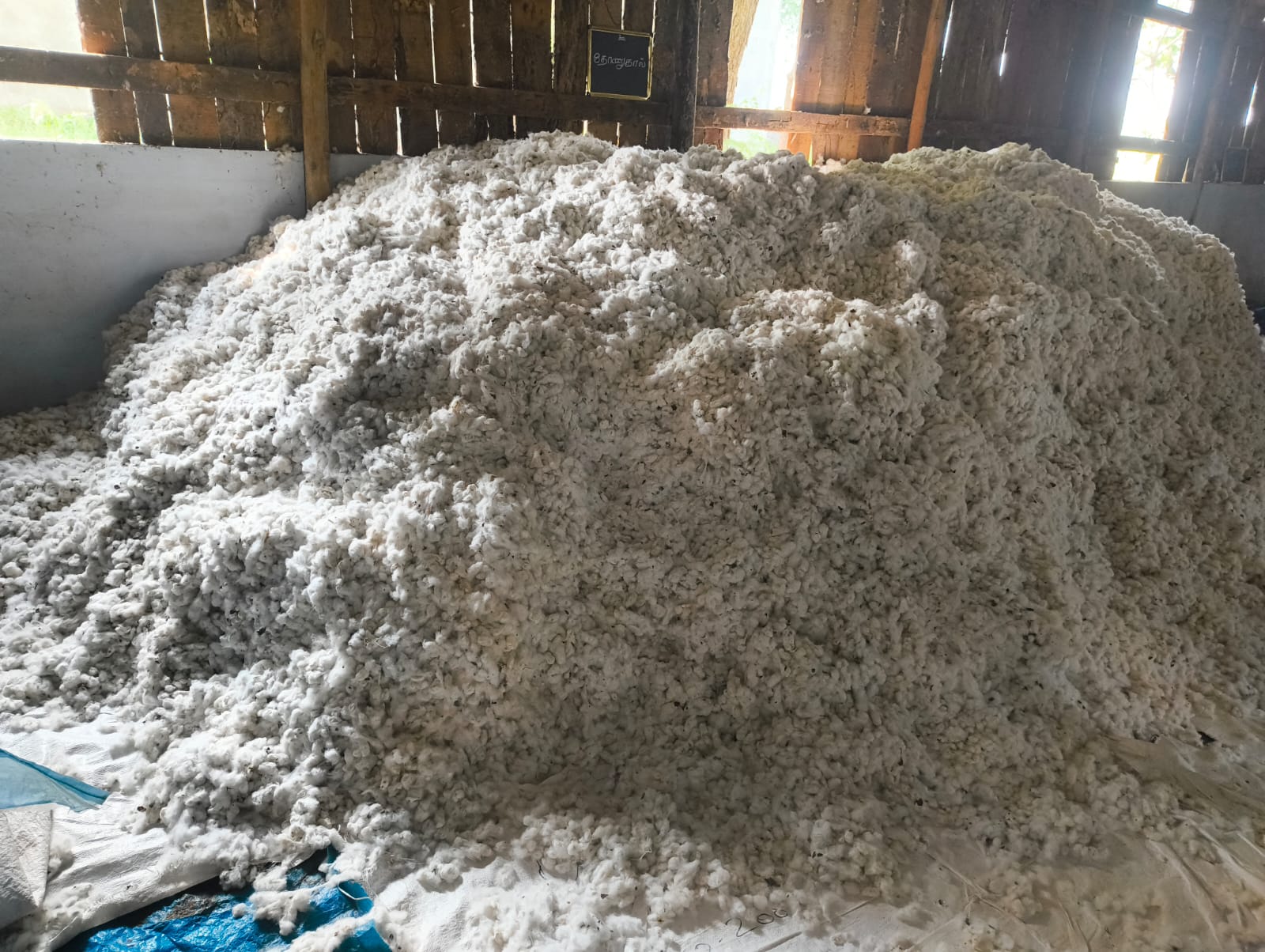
- Harvesting coordination
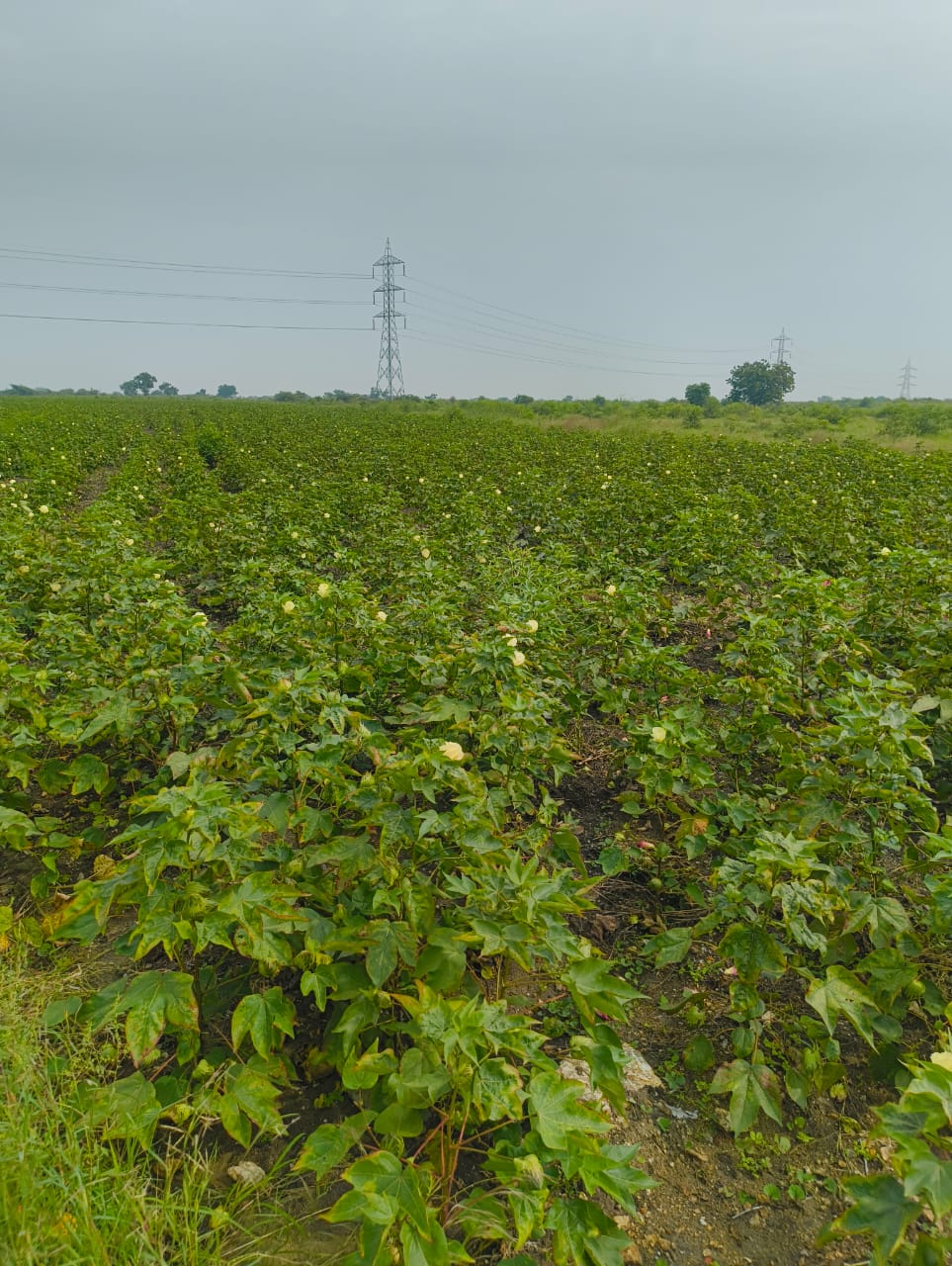
These interventions improved operational efficiency and supported farmers in managing rainfed cotton cultivation effectively.
Challenges Faced and Field-Level Responses
Despite climate variability and field-level constraints, the project maintained steady progress.
Issues Faced in the SAM Cotton Project
- Long-uncultivated lands caused heavy weed growth in Valyankulam (Unit-1 & Unit-2).
- Limited spraying made pest and disease control difficult.
- Crop damage occurred due to animal attacks such as deer and wild pigs.
Steps Taken
- Regular field monitoring and guidance
- Manual and mechanical weeding support
- Preventive and corrective measures to reduce crop damage
- These efforts helped contain losses and sustain crop performance under challenging conditions.
Fund Flow and Utilization
- The fund release process was moderate, aligned with farming activity timelines.
- Available funds were efficiently utilized for essential agricultural operations.
- Financial management ensured continuity of activities without disruption.
Yield Performance (Estimated)
- Approximately 50 acres recorded yields of 4–6 quintals per acre.
- Remaining plots achieved an average yield of around 4 quintals per acre.
- Considering the rainfed nature of cultivation, climatic stress, and conversion of previously unused lands, the yield levels are encouraging and indicate good potential for improvement in subsequent seasons.
Key Outcomes and Impact
- Successful scale-up from 17 acres (pilot) to 86 acres (current year)
- Productive utilization of previously unused and invasive-species–covered lands
- Strengthened collaboration between NGO, industry partner, and local stakeholders
- Improved farm management practices and use of modern tools
- Generation of additional agricultural employment opportunities
- Five village labourers were engaged for regular farming activities.
- Nearly 2,500 labour-days were generated for project activities such as weeding, sowing, and picking.
Conclusion
The SAM Cotton Project has shown steady progress under rainfed and changing climate conditions. By using unused land, supporting with proper farm management, and improving coordination among stakeholders, the project achieved positive results without disturbing farmers’ regular agricultural activities.